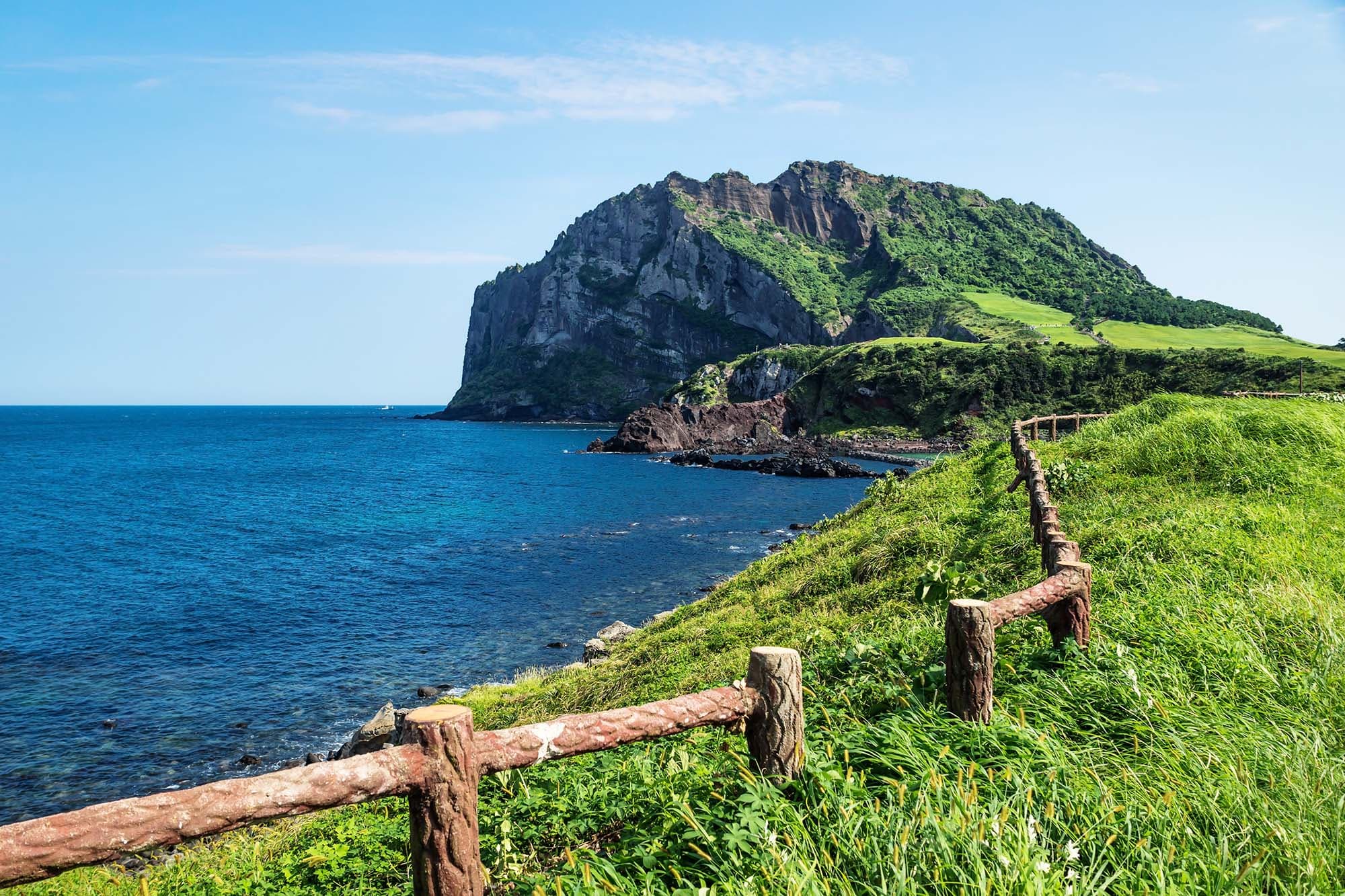
Muslim Guide to Jeju
Halal dining, musallas, and practical resources for Muslim travelers and residents on Jeju Island.
Is Jeju Muslim-friendly in 2026?
Short answer: yes — with planning. Korea trails non-OIC leaders like Singapore and Hong Kong, and Jeju has thinner halal infrastructure than Seoul or Busan. But the essentials are here.
Jeju Central Masjid
The island's only masjid — small in scale, closer to a musalla in practice.
Airport + hotel prayer rooms
CJU has a prayer room on the international side. Major hotels offer rooms for guests.
2 halal-certified kitchens
Asalam (Yemeni) and Bagdad (Indian) hold authority-issued halal certificates.
Small but active community
Resident workers, students, converts, and steady traveler traffic keep the network alive.
CrescentRating GMTI 2025 + Salam Jeju on-island verification.
How halal certification works in Korea
Korea has KMF (Korea Muslim Federation) certification, plus self-declared halal-conscious kitchens. We label each restaurant by category so you can choose by your own threshold.
KMF Certified
Audited by Korea Muslim Federation. Highest assurance — slaughter, supply chain, and kitchen.
Halal-conscious
Self-declared by the kitchen. No pork, no alcohol, halal sourcing where possible.
Vegan-safe
Plant-based menu by construction. Confirm cooking surfaces if strict.
Musallas, mosques, and prayer logistics
Below is the verified list of prayer spaces, plus practical notes on wudu access, Jumuah times, and what to expect at each location.
Musallas & Mosques8
Prayer spaces across Jeju Island.
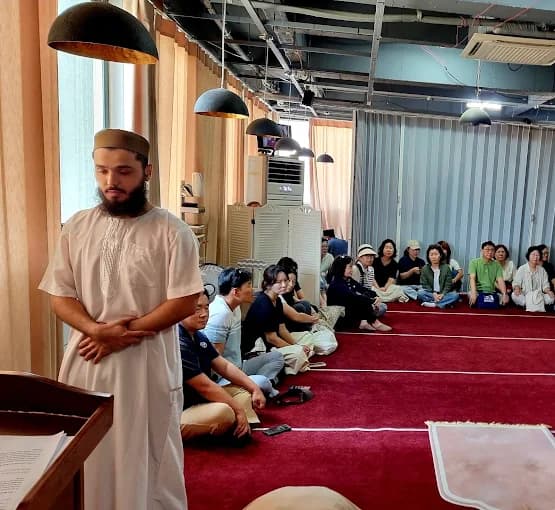
Jeju Central Masjid
Jeju Central Masjid is the only mosque on Jeju Island and the central place of worship for Muslim residents and travellers across the island. It sits on the second floor of a building in Sancheondan, on the cross-island road near the Jeju National University entrance, and holds the five daily prayers as well as Jumu'ah, the Friday congregation. Friday timing shifts with the season, so arrive 15 to 20 minutes early, especially during Ramadan and high season when the hall fills quickly. The masjid is about 20 to 25 minutes by taxi from Jeju International Airport, and the downtown halal cluster around Assalam, Bagdad, and Rajmahal is roughly a 15-minute drive away. Its position on the road between Jeju City and the south coast makes it a natural prayer stop on the way across the island. For Friday schedules, contact islamjeju@daum.net.

Jeju International Airport Prayer Room
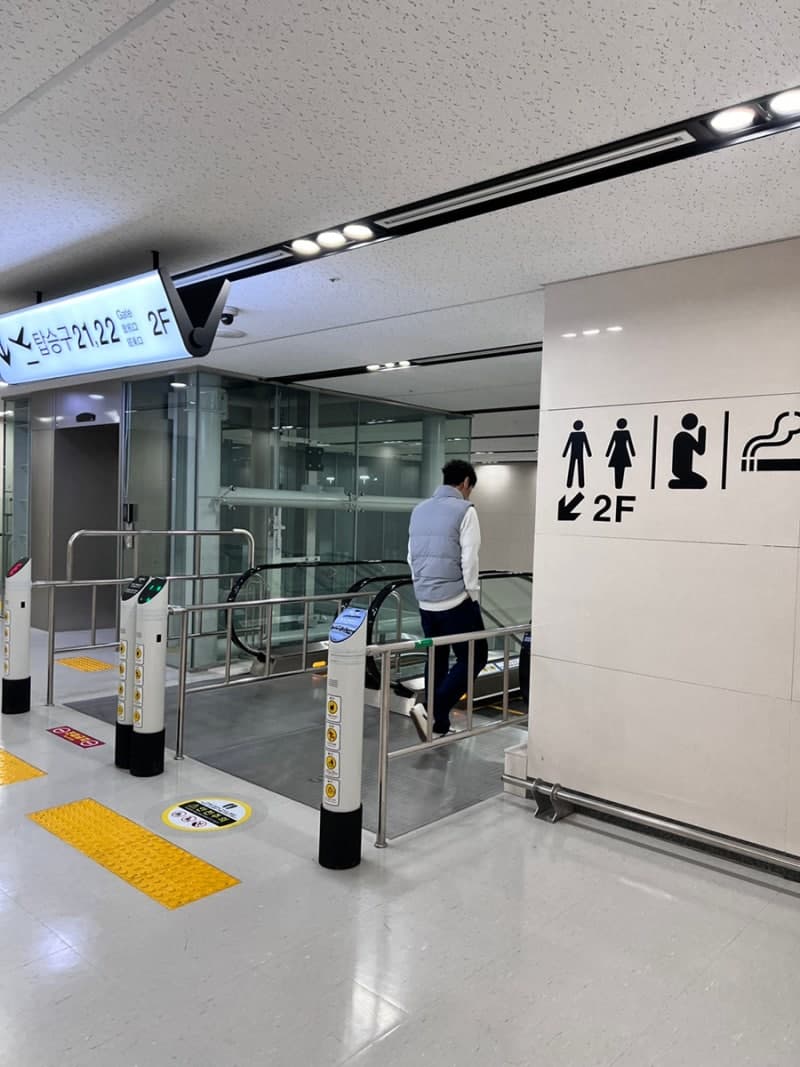
The Jeju International Airport prayer room is a permanent prayer space of about 30 square metres inside the international departures concourse on Floor 2, reachable only after security and immigration. From Floor 3, the international check-in level, clear security and immigration, then take the escalator down one level to Floor 2. The room is at the end of the hallway opposite Gate 22, near the duty-free area. Open daily 06:00 to 23:00. The main space is shared, with two smaller separate rooms for men and women and a wash tap and bidet for wudu. Prayer mats and the qibla direction are provided. Note that the room sits past immigration and cannot be reached from the domestic terminal or by non-flying visitors. For prayers before a domestic flight, the closest options are Jeju Central Masjid, about 10 minutes away, and the small prayer room at Assalam Restaurant near Jungang-ro.

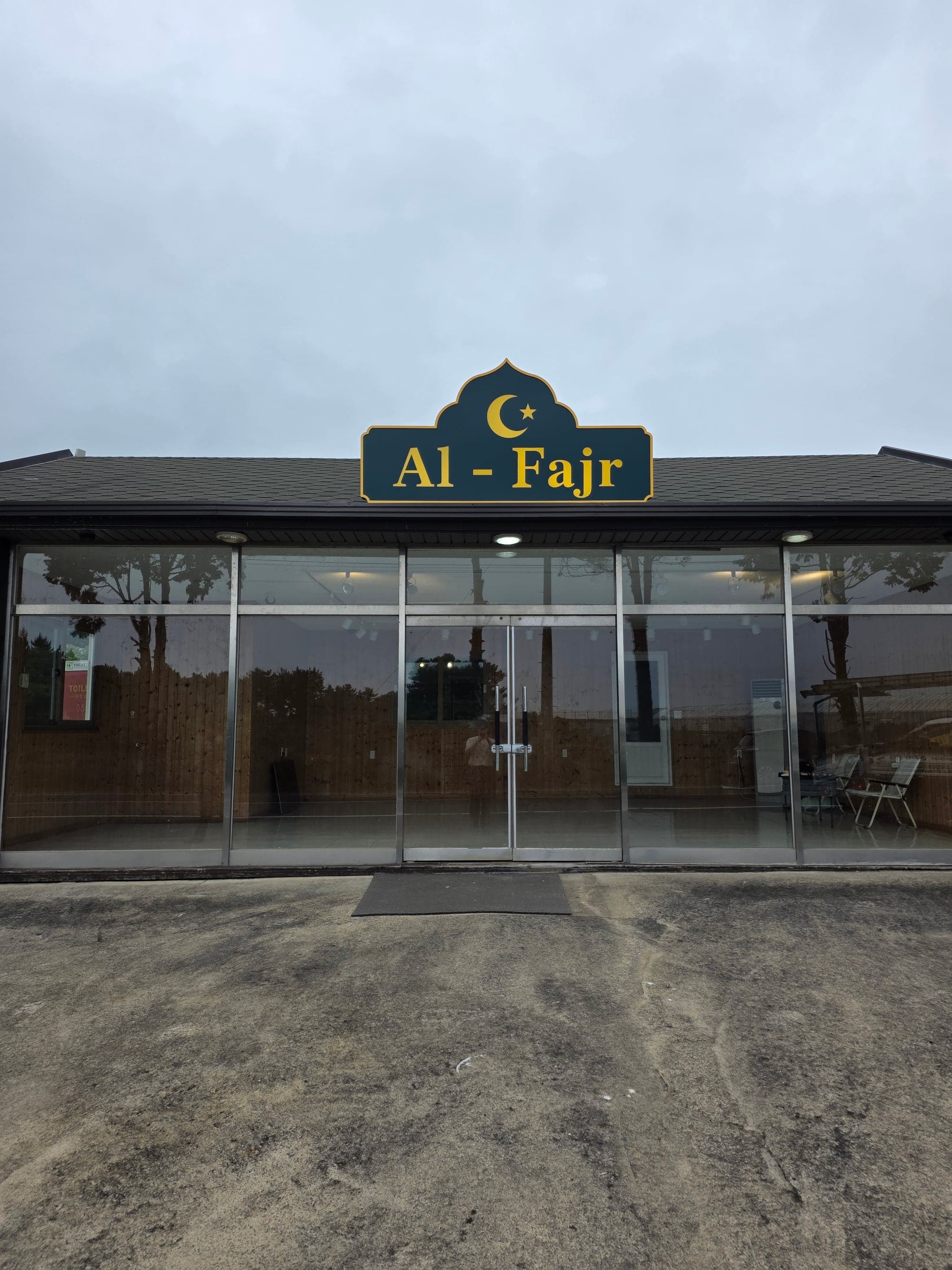
Al-Fajr Pyoseon Musalla
Salam Jeju's own dedicated musalla on Pyoseon's main street — the only standing prayer space on the island's south-east coast. Interior fit-out ongoing; details at fajrjeju.com. Pin is road-level: 31 Pyoseon-dongseo-ro, 1F.
Halal & Muslim-friendly food on Jeju
Two restaurants on Jeju hold full halal certification. The rest of your options are Muslim-friendly kitchens that avoid pork and alcohol, plus vegan menus that happen to be safe. Here's how to eat across the island with confidence.
Halal Restaurants14
Verified halal and Muslim-friendly eateries.
Assalam Restaurant
Yemeni / Arabic·₩₩
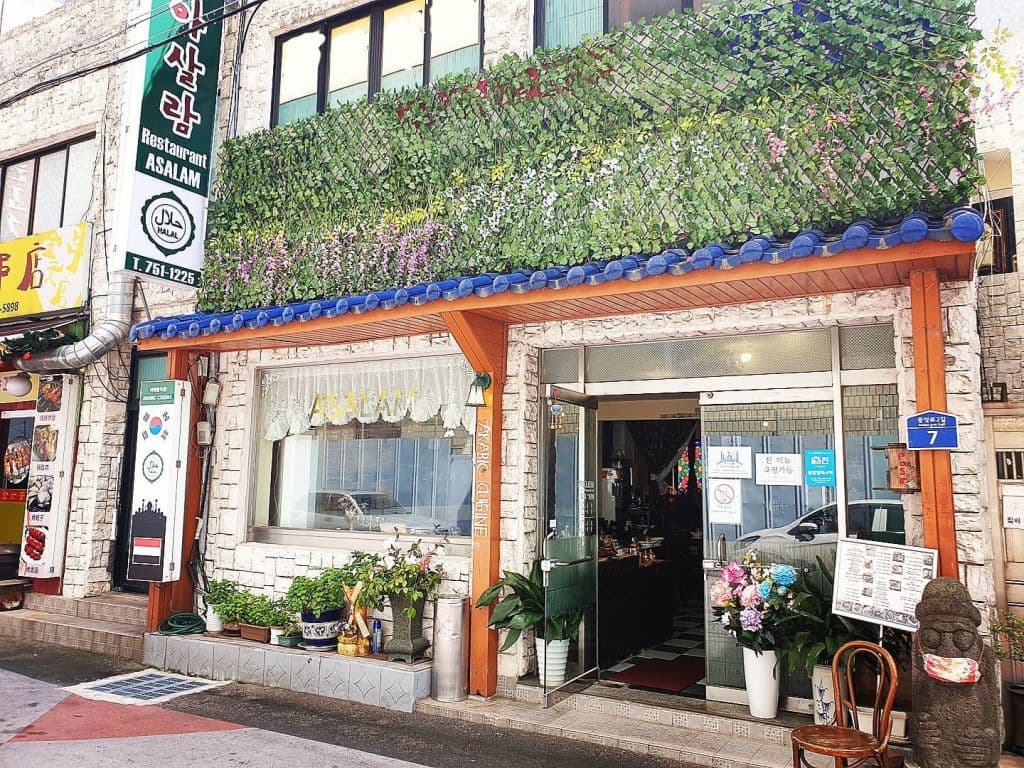
Assalam Restaurant is Jeju City's Yemeni halal restaurant on Jungang-ro, run by a Yemeni-Korean couple. The husband, an experienced Yemeni Muslim chef, leads the kitchen. It carries on the island's Yemeni cooking tradition after Wardah, Jeju's first Yemeni restaurant, closed its doors. A framed halal certification sits on the counter, and a small prayer room fits up to four people, making it one of very few Jeju restaurants where travellers can dine and pray under one roof. The menu is Arab through and through: lamb mandi and kabsa over fragrant rice, charcoal-grilled kebabs, hummus, falafel, lentil soup, and fresh Arab bread. No pork or alcohol on the premises. A gathering spot for Muslim residents and travellers, within walking distance of Bagdad and Jeju Central Masjid.
★ Lamb mandi rice · Kabsa rice · Asalam mix grill
Biwon
Korean samgyetang·₩₩
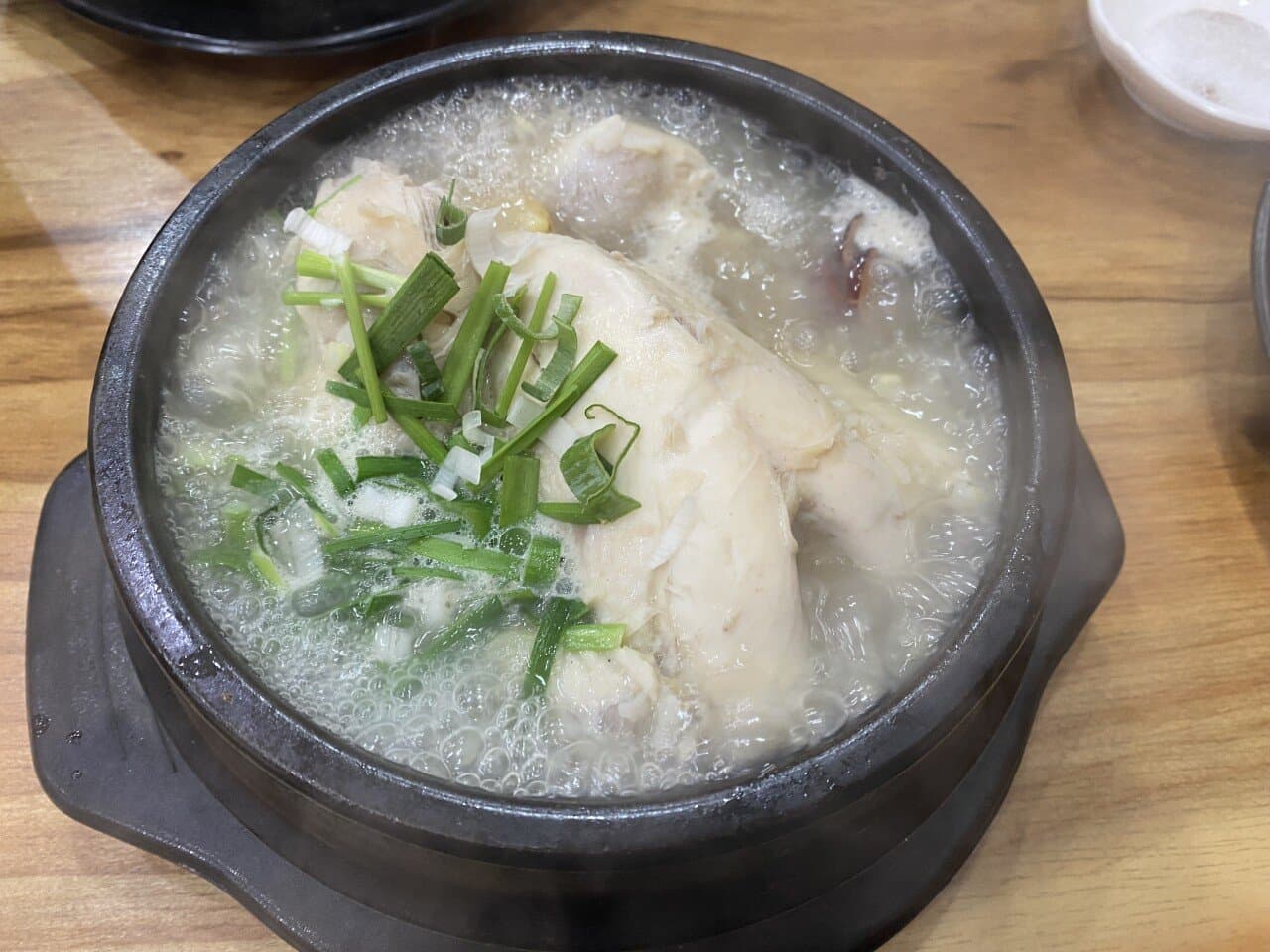
Biwon is a 40-year-old samgyetang specialist near Hallasu Arboretum in Jeju City. It was one of the first four Jeju restaurants to earn official Indonesian halal certification, awarded at the Indonesia Export & Certification Forum on 13 November 2025 alongside OReum Seafood, Crab Story, and MuhanJeong. The kitchen serves a single signature dish: samgyetang, a whole young chicken slow-simmered with ginseng, jujube, and glutinous rice, brought to the table piping hot in a clay pot. The chicken is halal-certified, the kitchen keeps no pork or alcohol, and the recipe has been refined over four decades. One of the most dependable halal Korean meals on Jeju, especially for travellers who want an authentic samgyetang stop.
★ Samgyetang (ginseng chicken soup)
View details
Crab Story
Korean seafood / crab·₩₩₩
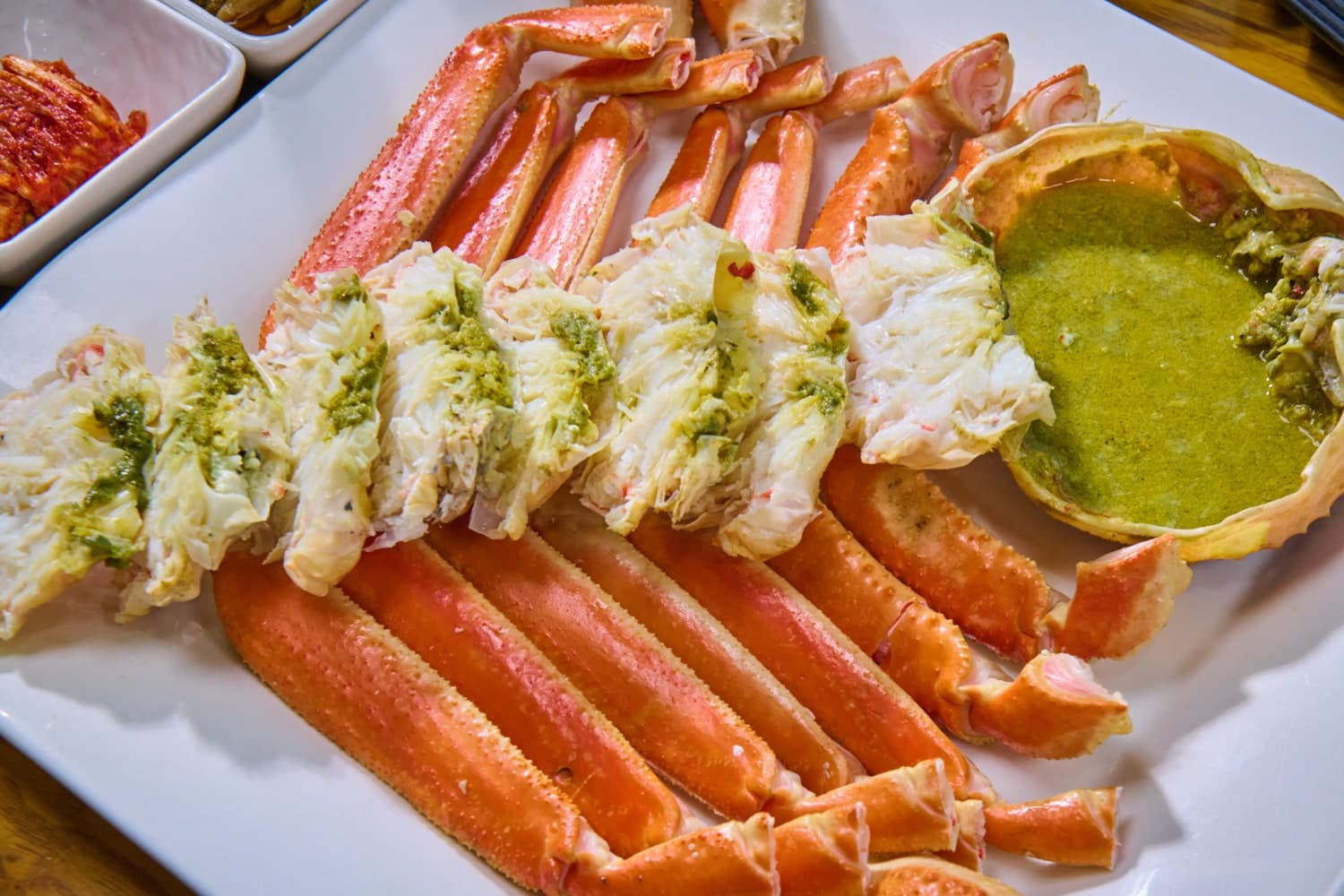
Crab Story is an ocean-view crab specialist on the Yongdam coastal road, minutes from Jeju International Airport. It was one of the first four Jeju restaurants to earn official Indonesian halal certification, awarded at the Indonesia Export & Certification Forum on 13 November 2025 alongside OReum Seafood, Biwon Samgyetang, and MuhanJeong. The menu is built around Jeju seafood: king crab steamed whole, snow crab sets paired with banchan, and a silky crab porridge that uses every part of the catch. The kitchen keeps no pork or alcohol, all crab is halal-certified, and wide windows look straight onto the West Sea. A natural first or last halal meal for travellers flying in or out, about 5 minutes by taxi from the airport. Open 11am to 10pm, closed Wednesdays.
★ King crab · Snow crab set · Crab porridge
View detailsJeju itineraries for Muslim travelers
Three reference plans by length. Each one threads prayer times, halal meals, and Jeju's signature spots. Solo, couple, or family of four — the same plan, scaled.
- Prayer
- Meal
- Visit
- Transit
- Note
Airport prayer, transport, and arrival
Jeju International Airport has a musalla on the third floor. Here's the rest of the arrival logistics for Muslim travelers.
Before you go
4 topics- When to Visit
- Direct Flights to Jeju
- Ferry from Mainland
- Visa & Entry
On arrival
3 topics- Jeju International Airport (CJU)
- Getting Around Jeju
- Connectivity (SIM, eSIM, Wi-Fi)
On the ground
4 topics- Money & Payment
- Tax-Free Shopping (10% VAT Refund)
- Useful Apps
- Korea Basics
Emergency
1 topic- Emergency & Help
Ramadan and Hajj season in Jeju
Suhoor and iftar logistics on a small island take planning. Here's what to expect and where the community gathers.
Modesty, beach, and onsen culture
Jeju's beaches, hot springs, and saunas have specific norms. Here's how to navigate them as a modest traveler.
Modest Dress
Korea is fashion-forward and broadly tolerant; hijab and modest dress draw zero negative attention. A few specific places call for extra coverage.
Read moreJjimjilbang & Bathhouse
The wet bath area (mogyoktang) is gender-segregated but fully nude — incompatible with Islamic modesty (awrah). The dry lounge area is fully clothed and open to families.
Read morePhotography
Korea is photo-friendly outdoors. The hard lines are worship, people at work, and individual privacy.
Read moreShoes Off Indoors
Shoes come off at the door — always. The rule applies in Korean homes, temples, and any restaurant with raised wooden floors or floor seating.
Read moreTop Jeju attractions, mapped against prayer & food
Every spot on this list has been checked for nearby musallas and halal-friendly food within 10 km.
Tourist Spots29
Major attractions across Jeju, grouped by region.
Bijarim Forest
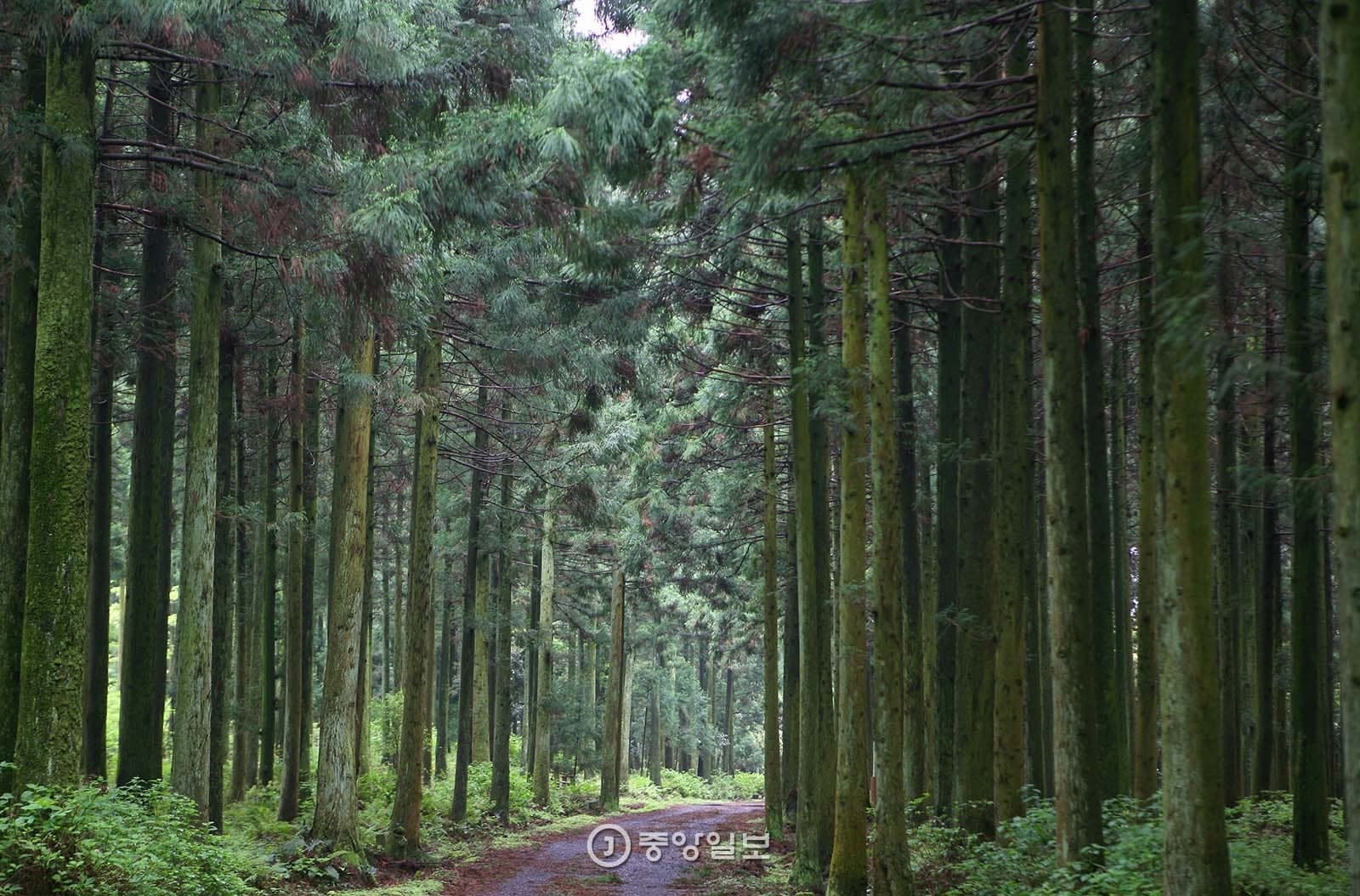
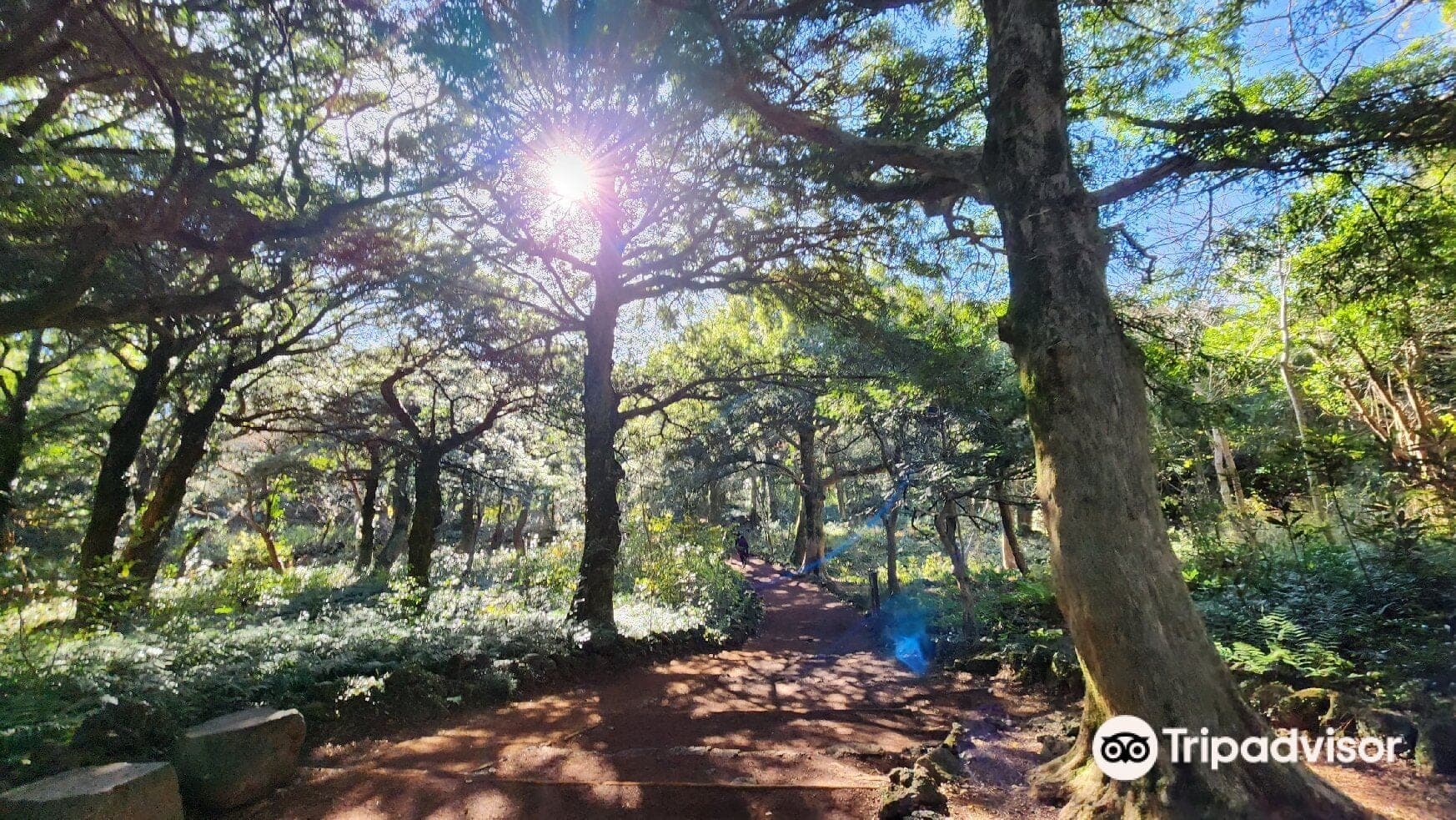
Bijarim Forest is the world's largest natural nutmeg-tree (Torreya nucifera) forest, in Gujwa-eup on Jeju's north-east coast. Around 2,800 nutmeg trees aged between 500 and 800 years grow across the forest, with the Millennium Nutmeg Tree — a roughly 800-year-old giant over 14 metres tall — its centrepiece. Fragrant red volcanic gravel paths loop the forest in 40-minute or 80-minute circuits along an approximately 3.3-kilometre trail, level and accessible. Cool, fragrant air filters through ancient canopies even in midsummer. A meditative Jeju Island stop for Muslim travellers wanting forest bathing — best paired with east-coast halal-safe options like Five Seventh near Woljeongri Beach, a fifteen-minute drive away. Modest entry fee, open year-round.

Camellia Hill
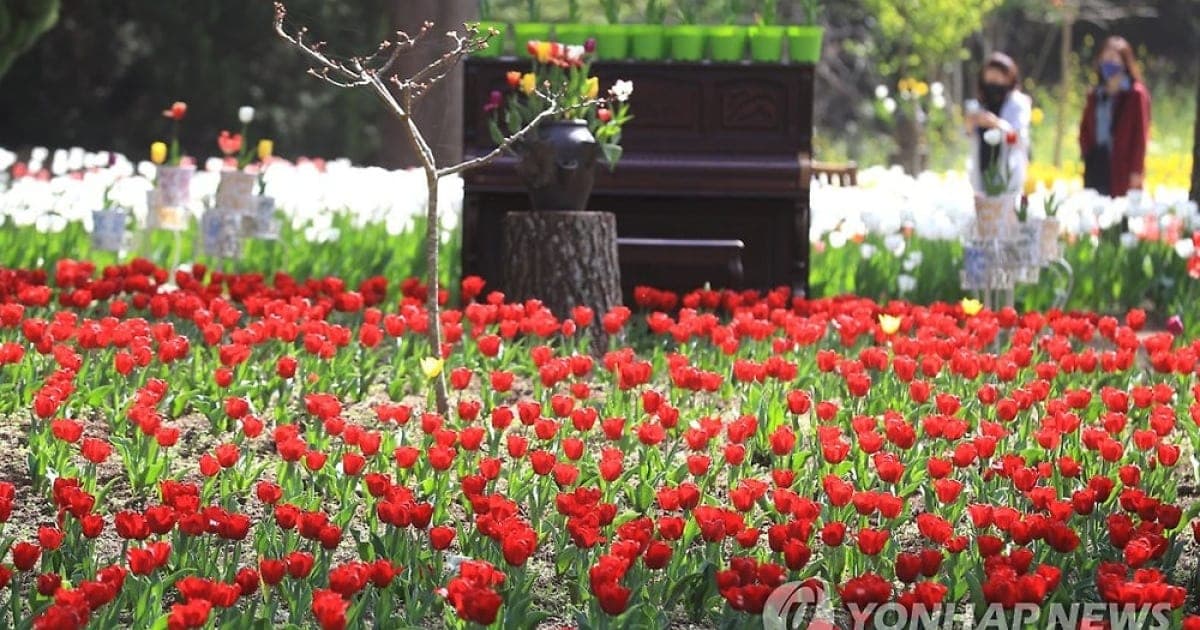
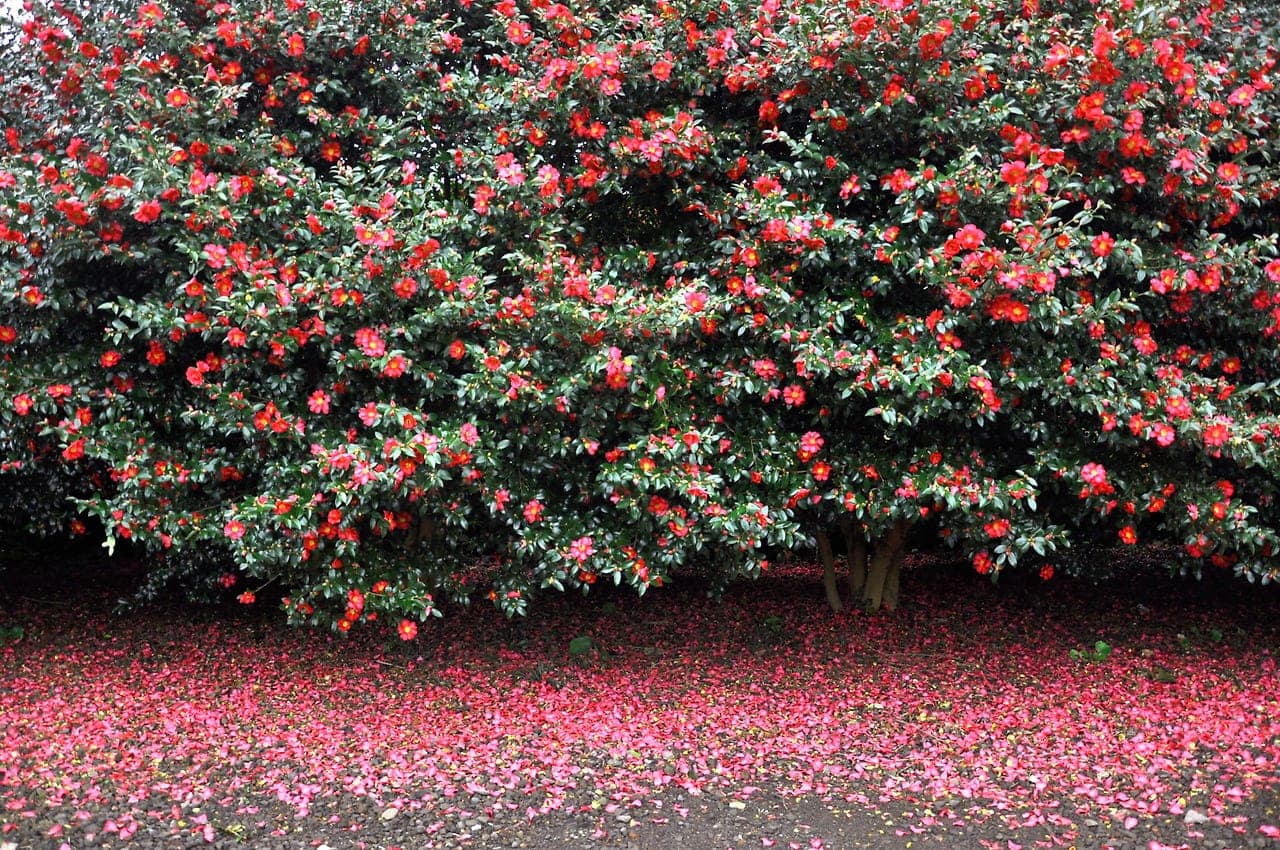
Camellia Hill is a 172,000-square-metre flower garden in Andeok, Seogwipo, planted with around 6,000 camellia trees across 500 species from 80 countries — making it one of the largest camellia collections in Asia. Peak bloom runs from late November through April, when winter and early-spring varieties carpet the hillside in red, pink, and white; tulips, hydrangeas, and roses extend the visual season into summer. Wide gravel paths and benches throughout make the garden a relaxed half-day Jeju stop for Muslim travellers and families. Combines well with O'sulloc Tea Museum and Sanbangsan, both within a 15-minute drive.

Cheonjeyeon Falls
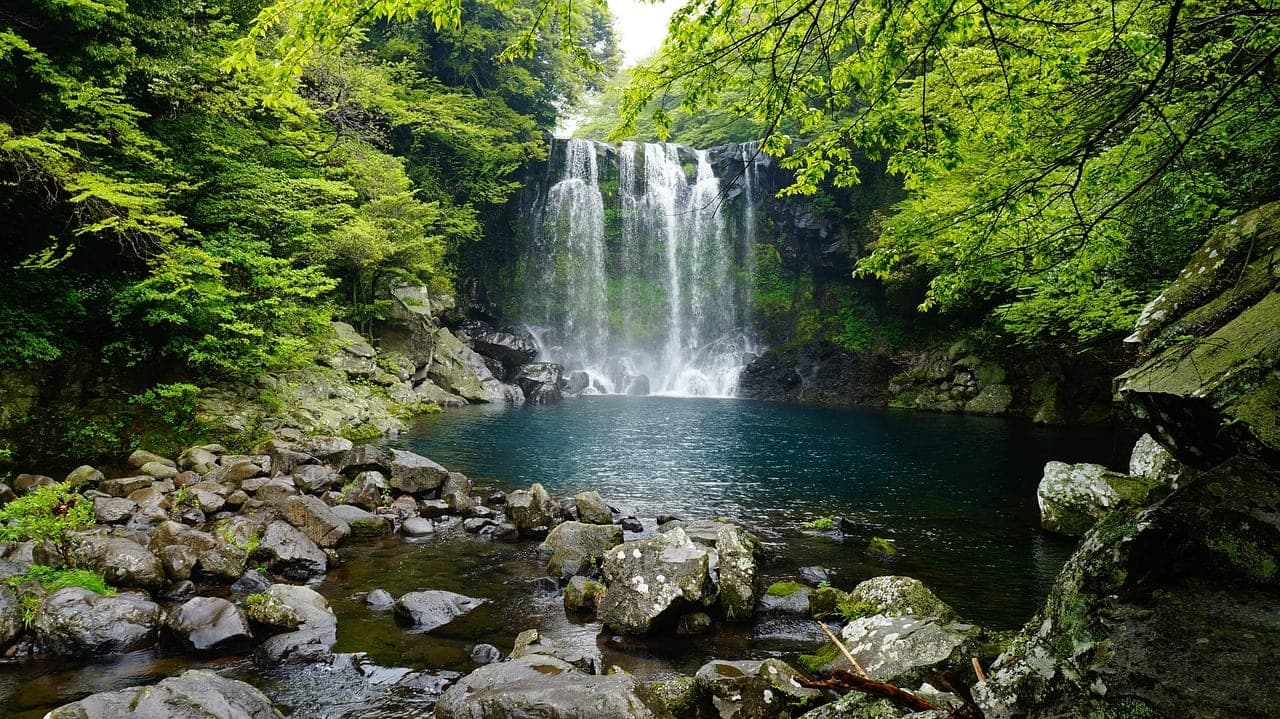
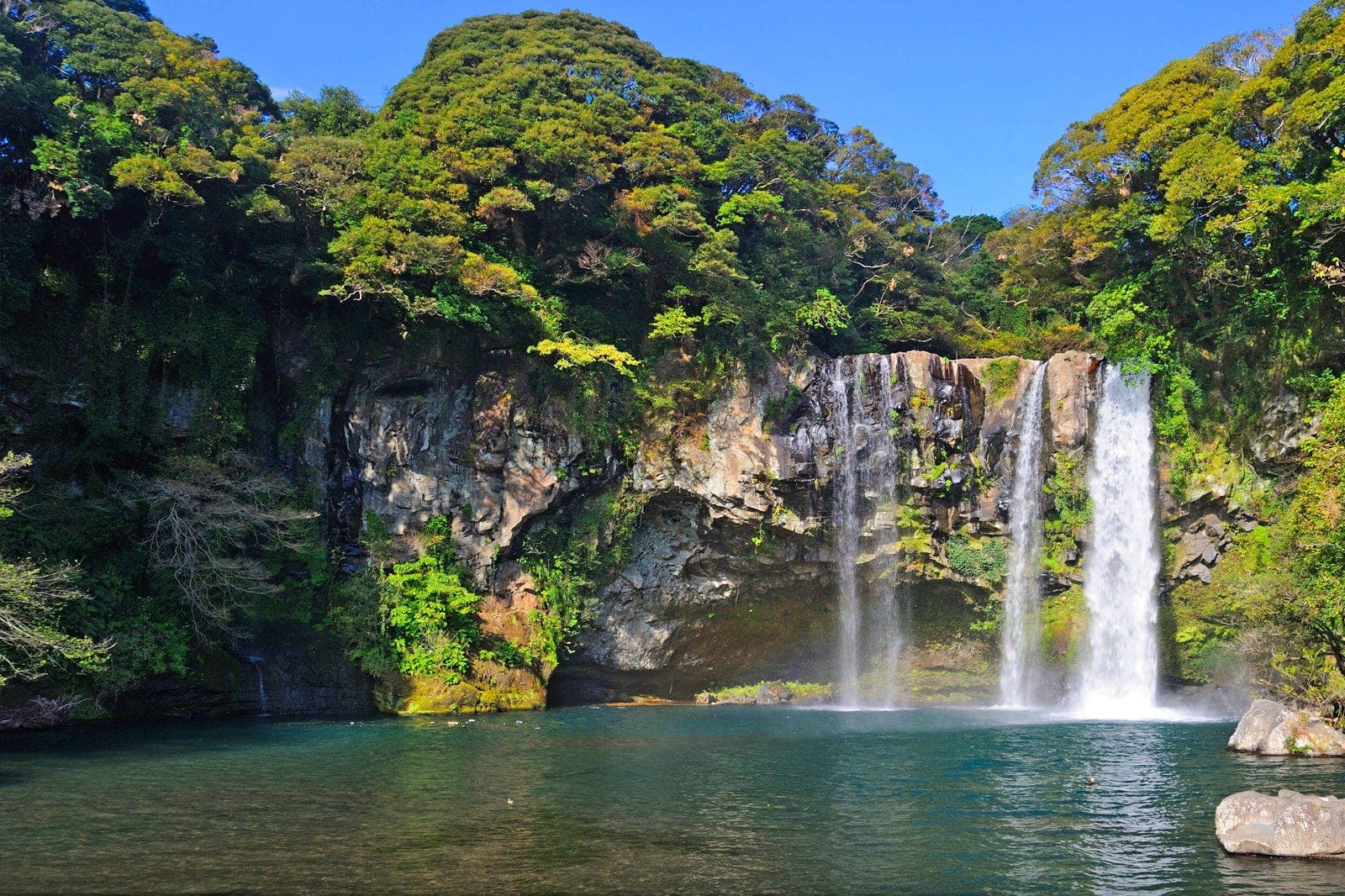
Cheonjeyeon Falls is a three-tiered waterfall system in Jungmun, Seogwipo, set in a steep volcanic ravine. The first tier (22 metres tall) feeds an emerald pool 21 metres deep, and the second tier drops another 30 metres before the water runs out to the sea. A scenic 1-kilometre boardwalk loop crosses the Seonimgyo Bridge — 128 metres long, 78 metres high, with seven nymphs carved on both sides commemorating a Korean legend of seven heavenly nymphs bathing in the falls. A photogenic Muslim-friendly day-trip stop on Jeju Island. Pair with O'sulloc Tea Museum or Jusangjeolli Cliff, both within ten minutes. Modest entry fee, well-maintained paths.

Cheonjiyeon Falls
Cheonjiyeon Falls is a 22-metre forested waterfall in central Seogwipo, reached by an easy ten-minute walk along a paved canyon trail through subtropical forest. The falls drop into a 20-metre-deep emerald pool that's home to the protected Mutae (marbled) eel — a natural monument unique to Korea — and the surrounding ravine is a UNESCO Global Geopark site protecting several rare fern species. The falls are illuminated at night during peak season. A relaxed Jeju Island stop for Muslim travellers walking off a meal in central Seogwipo. Open daily including evenings, modest entry fee, accessible boardwalk.

Dongmun Traditional Market
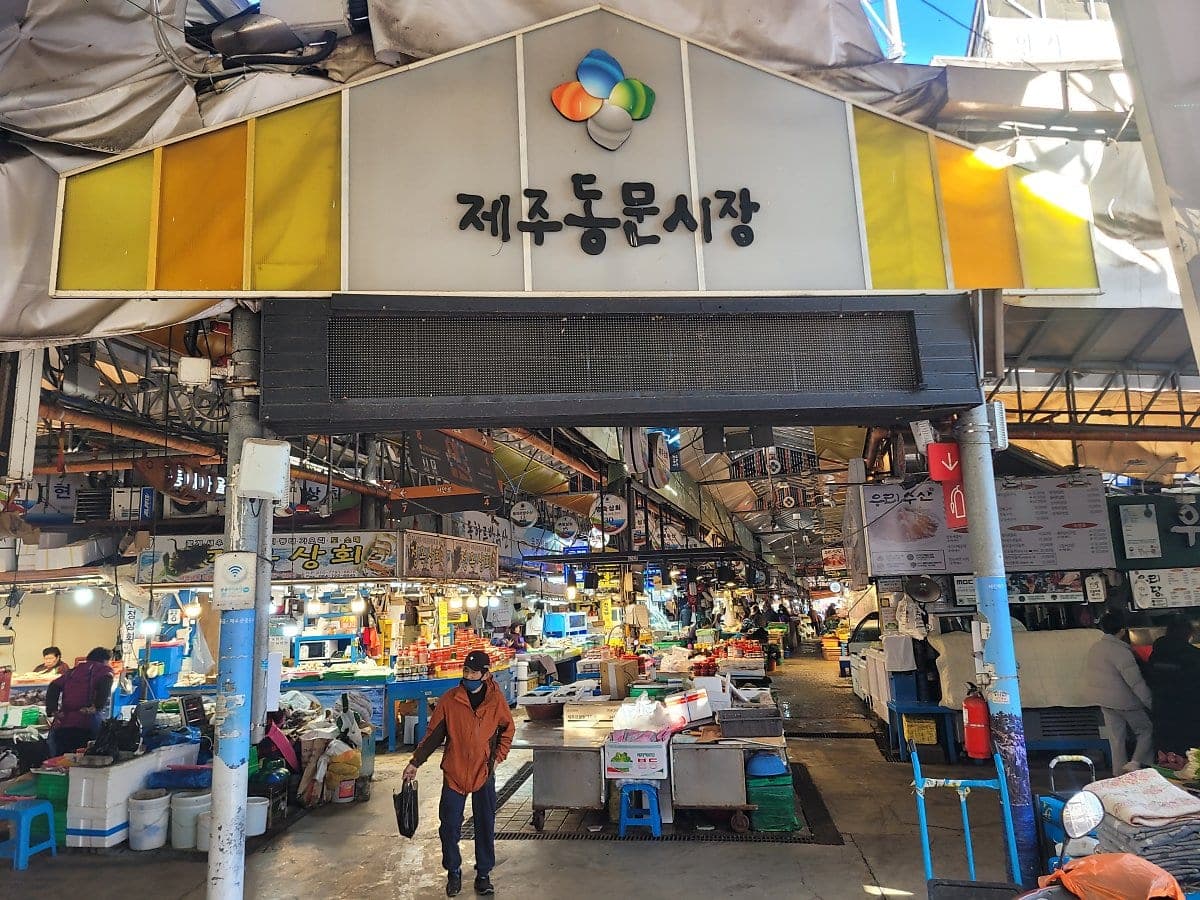
Dongmun Traditional Market is Jeju City's oldest and largest traditional market, dating to 1945 and now home to over 300 vendors selling Jeju mandarins, dried hairtail, hallabong citrus, black-pork specialities, traditional rice cakes, and handmade gifts. The arcaded daytime market transitions to a popular night market from early evening, with grilled skewers and seafood stalls drawing crowds. Several halal Jeju restaurants — Wardah, Bagdad, and Assalam — are within a five-minute walk, making the area the most halal-friendly Jeju neighbourhood for Muslim travellers staying in the old city. Closed irregularly; check before visiting.

EcoLand Theme Park
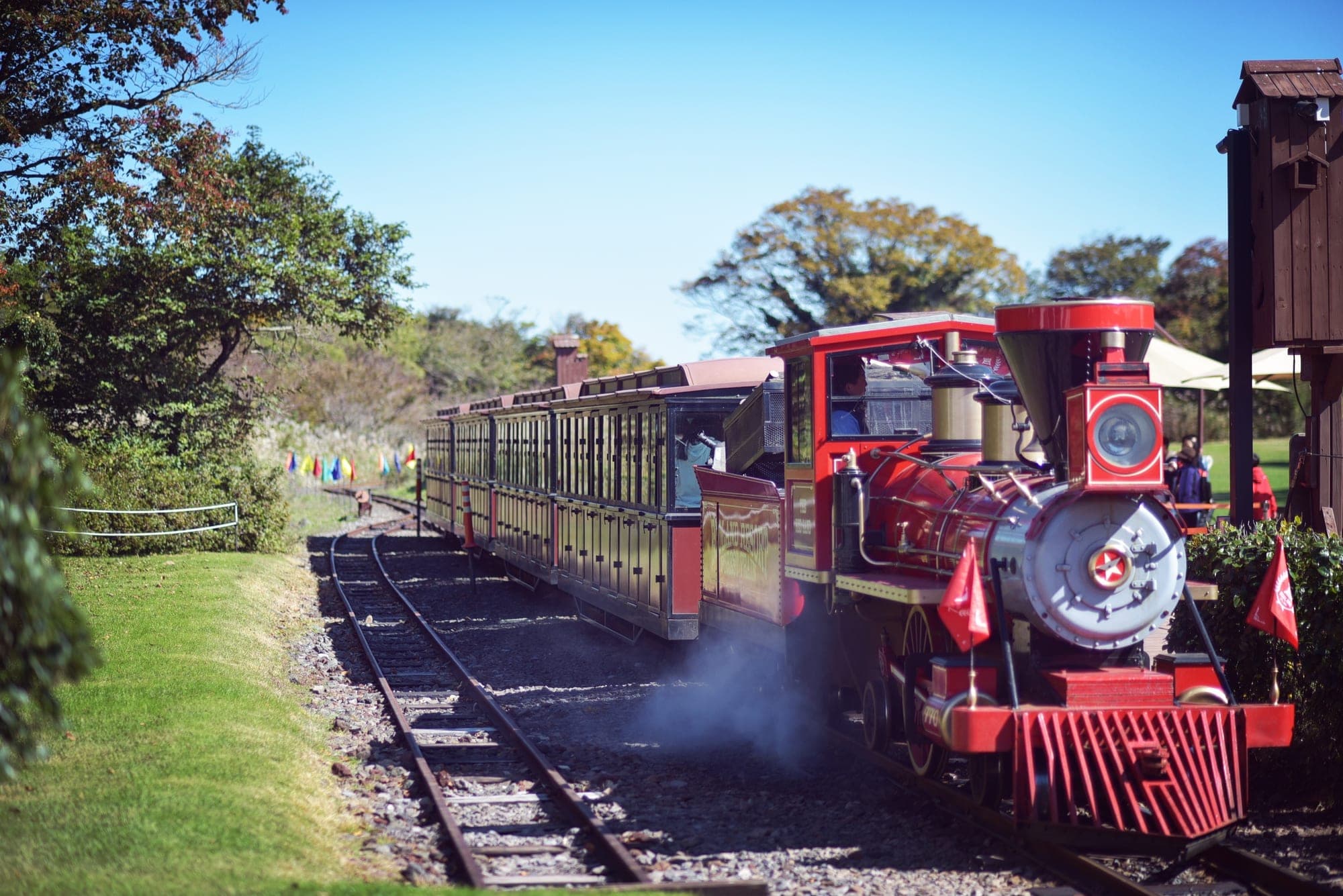
EcoLand Theme Park is a forest-themed park in Jocheon-eup, central Jeju, set across a 300,000-pyeong (about 1 km²) protected Gotjawal lava forest — a UNESCO Global Geopark feature and one of Jeju's largest carbon sinks. The headline experience is a loop aboard a hand-built English-made replica of the Baldwin steam locomotive that stops at five themed stations — lakeside garden, lavender field, wind garden, eco bridge, picnic-and-play. Trains run every 7–12 minutes. A relaxed half-day Jeju Island stop for Muslim travellers and families with younger children, paired naturally with Saryeoni Forest Trail or Sangumburi Crater nearby. Modest entry fee covers the train and all stops.

Hallasan (1100 Highland)
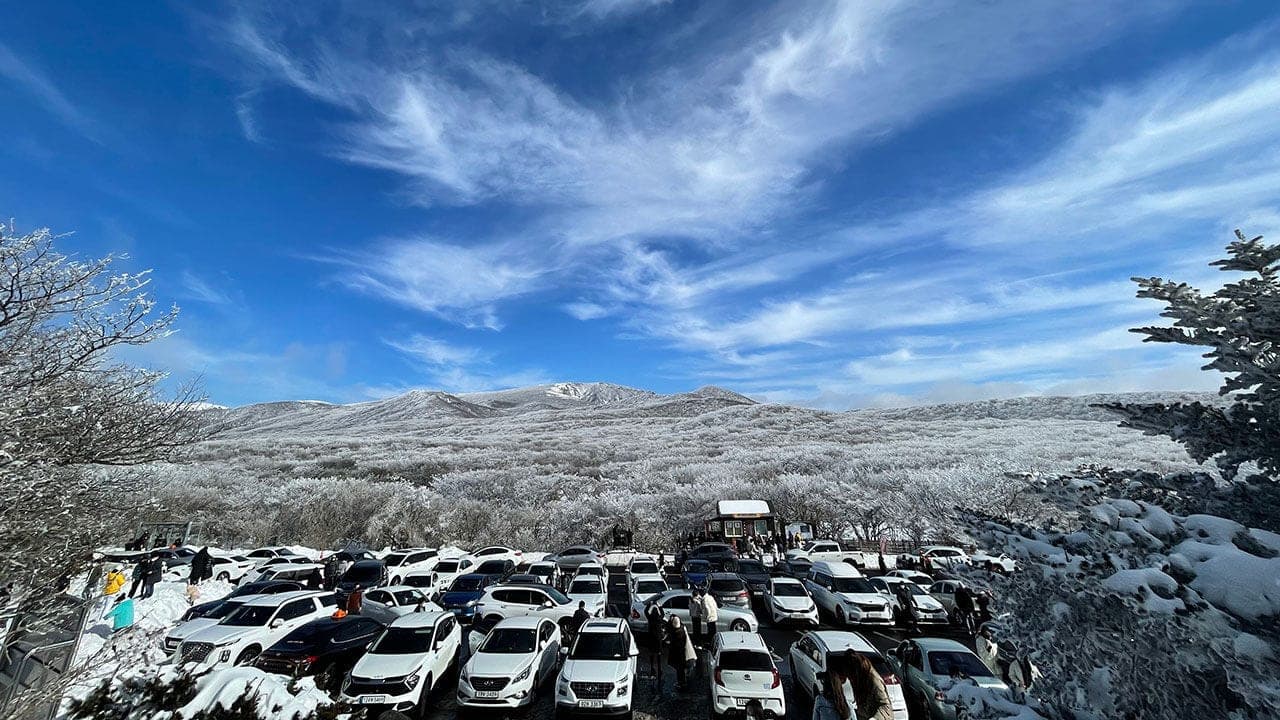
Hallasan 1100 Highland is the high-altitude mountain plateau on Jeju's central peak, reached by the 1100-ro mountain road that crosses Hallasan National Park. A 1-kilometre wooden boardwalk loops through wetlands designated as a Ramsar-protected site (registered in 2009), with mountain larch, Korean fir, and grazing roe deer typically visible from the trail. The boardwalk is fully accessible — about 30–40 minutes round-trip — and stays open year-round, with snow and ice in winter and crimson maple in late October. A natural midpoint stop on a Hallasan day for Muslim travellers, with halal-friendly Jeju options like Cafe Jeju 901 a short drive down the same road.

Hallim Park
Hallim Park is a 100,000-pyeong (about 330,000 m²) botanical and folklore park on Jeju's western coast, founded in 1971 when Song Bong-gyu began planting palm seeds on what was then sandy wasteland. The park combines themed gardens — palm-tree avenue, subtropical botanical garden, Jeju stone garden, traditional folk village, bird garden, water garden — with two lava-tube caves (Hyeopjaegul and Ssangyonggul, considered to have once been a single cave) included in the entry ticket. A full half-day Jeju Island stop for Muslim travellers and families, suitable for strollers and accessible paths. Pair with And Yu Cafe (vegan, halal-safe) a short walk away or Vegan Table Baram in nearby Aewol. Modest entry fee, open year-round.

Hamdeok Beach
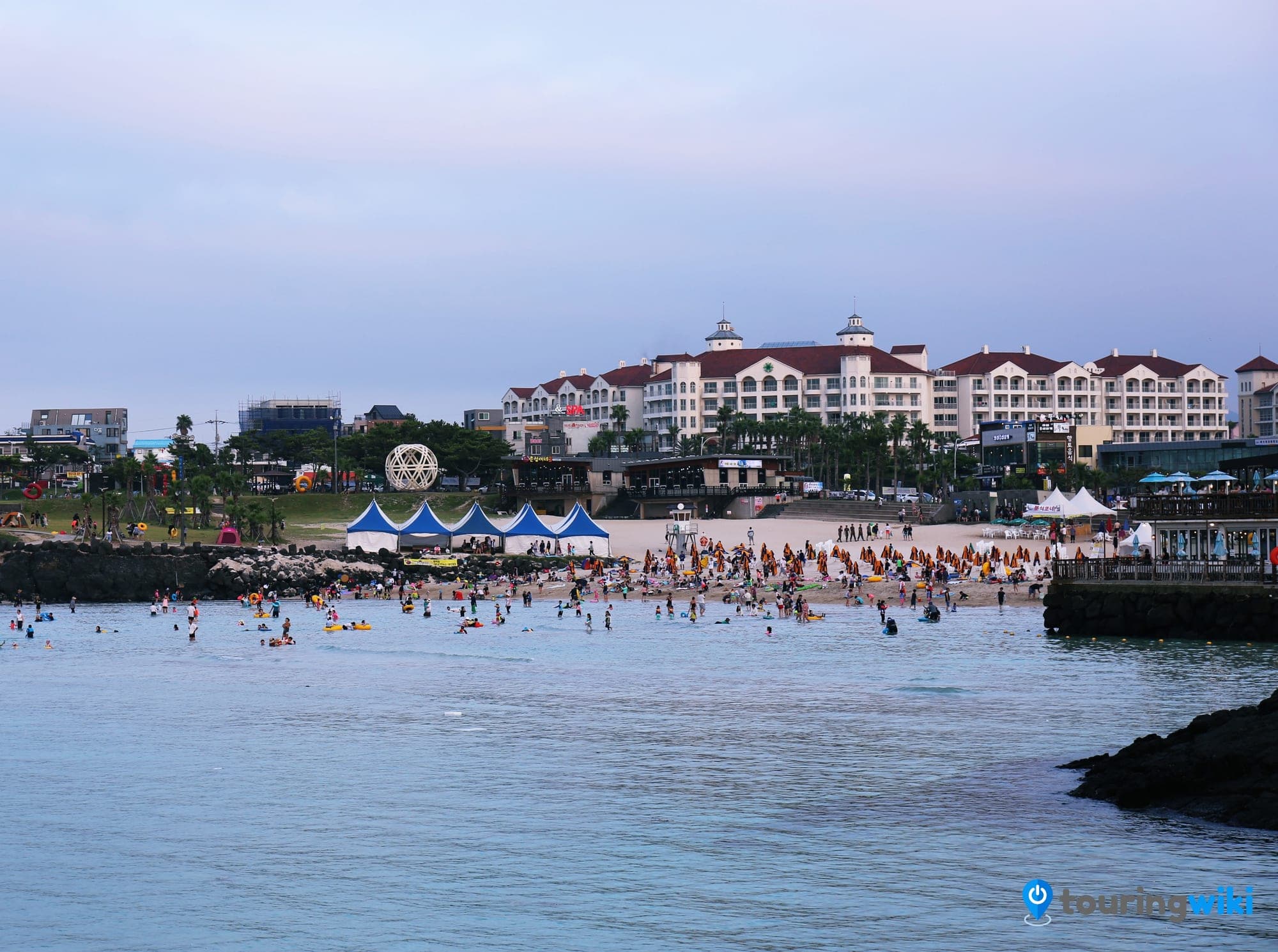
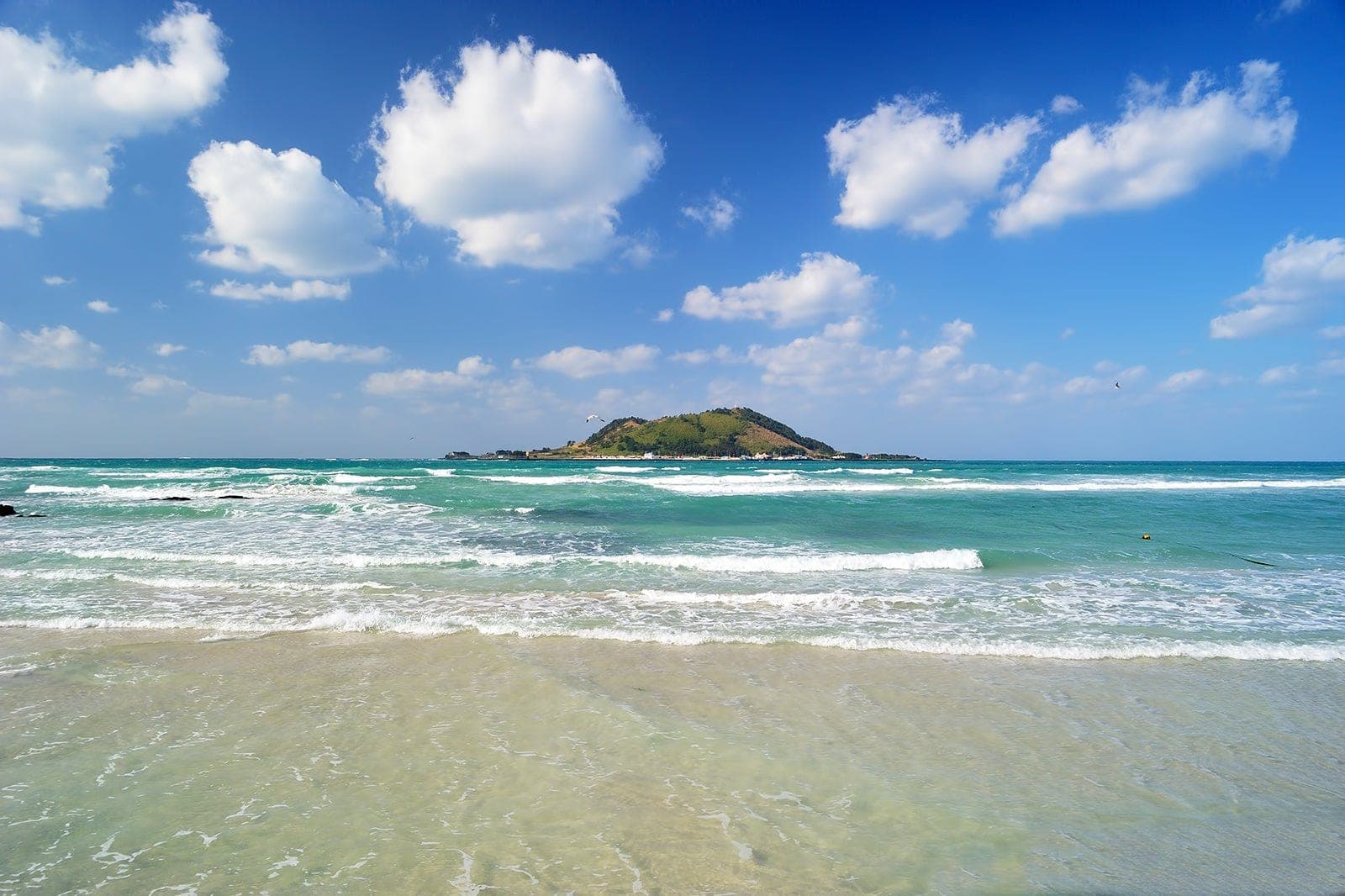
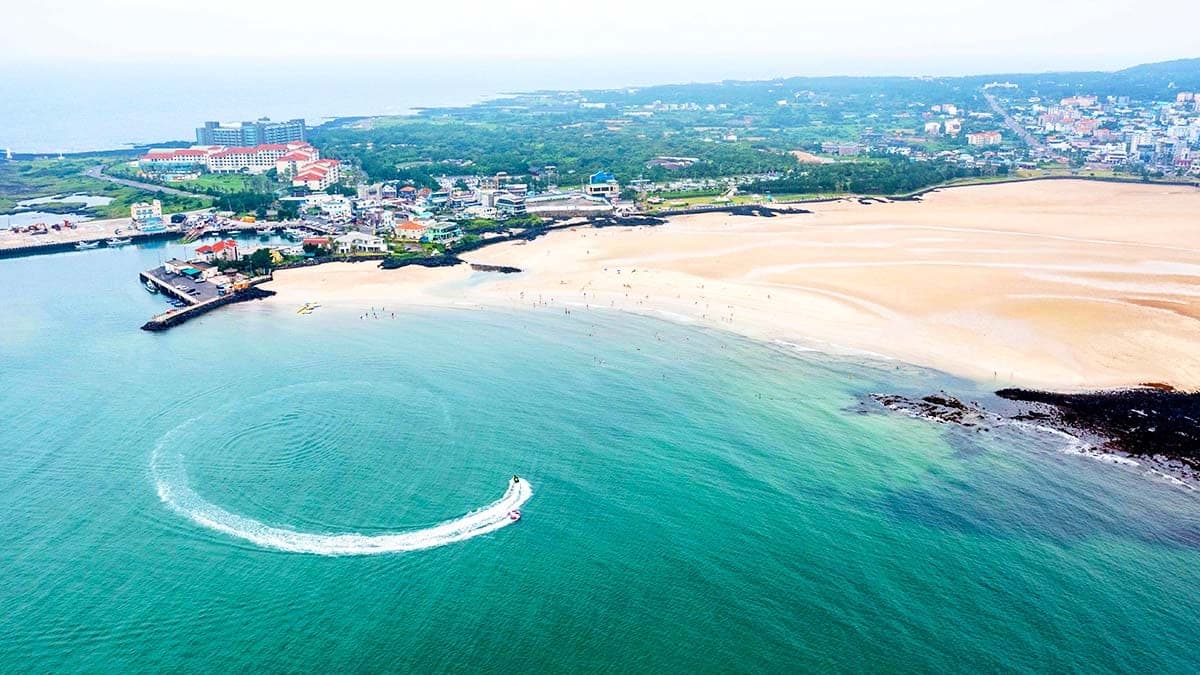
Hamdeok Beach is a shallow, family-friendly Jeju beach on the north-east coast in Jocheon-eup, where calm emerald water curves around volcanic outcrops and Seoubong Peak rises behind the sand. Wooden bridges connect the main beach to a smaller sheltered cove ideal for snorkelling. The boardwalk behind the beach hosts cafes, bakeries, and seasonal music. A relaxed Muslim-friendly Jeju beach stop for travellers staying near Jeju City, paired naturally with Bijarim Forest inland or Jageun Bueok's reservation-only vegan Korean meal in Jocheon-eup. Free entry, paid summer parking.

Hyeopjae Beach
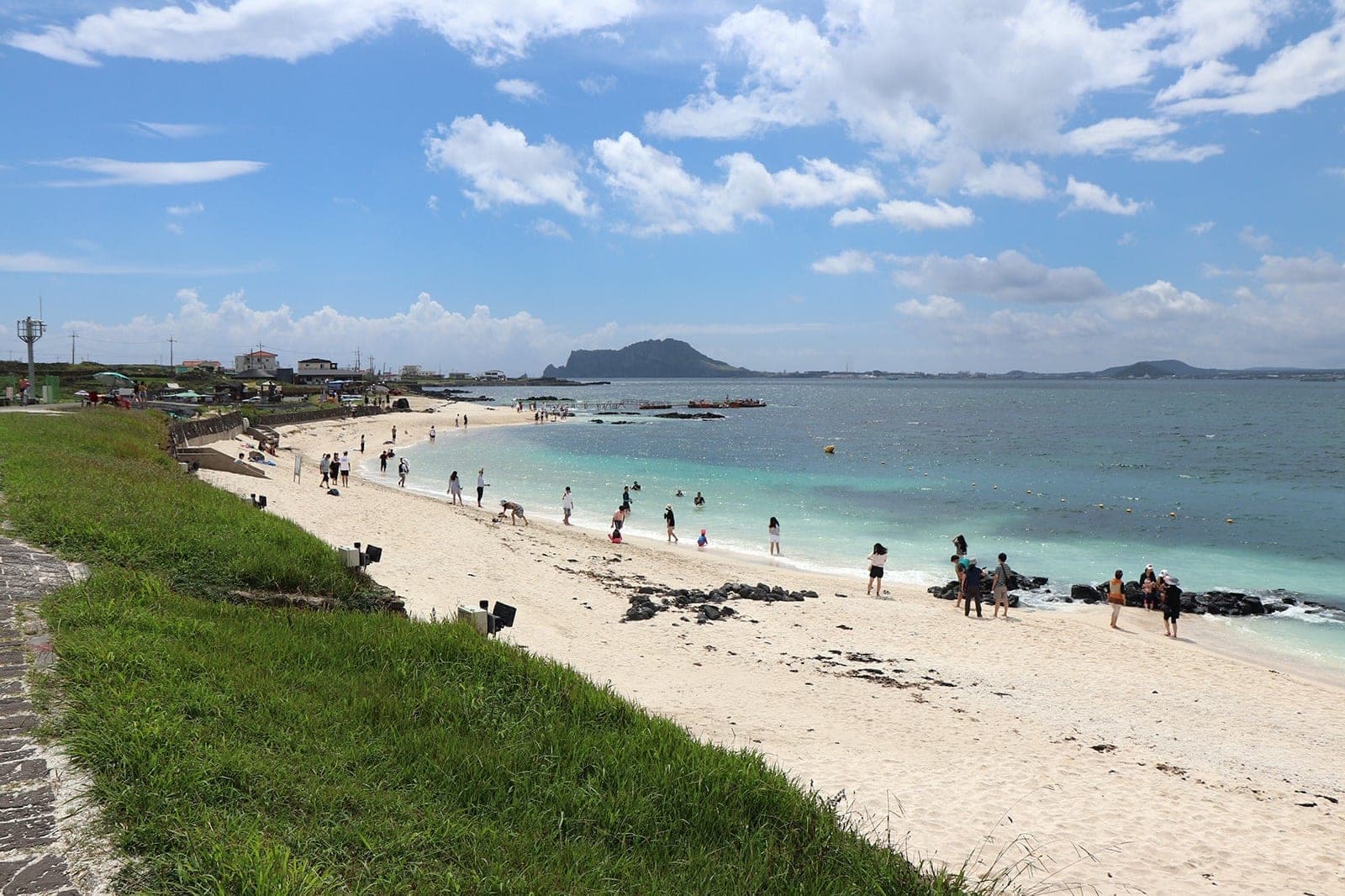
Hyeopjae Beach is one of Jeju Island's most photographed beaches, on the western coast in Hallim-eup, where shallow emerald water meets a 9-kilometre stretch of fine white sand. Biyangdo Island sits offshore as the iconic backdrop, and a row of pine trees behind the dunes provides shade for picnics and rest. The water is calm and shallow for most of the day — among the most family-friendly Jeju beaches for Muslim travellers. Combine with And Yu Cafe, a fully vegan halal-safe stop a short walk inland, or Hallim Park's botanical gardens five minutes away. Free entry, paid parking nearby.

Jeju Folk Village
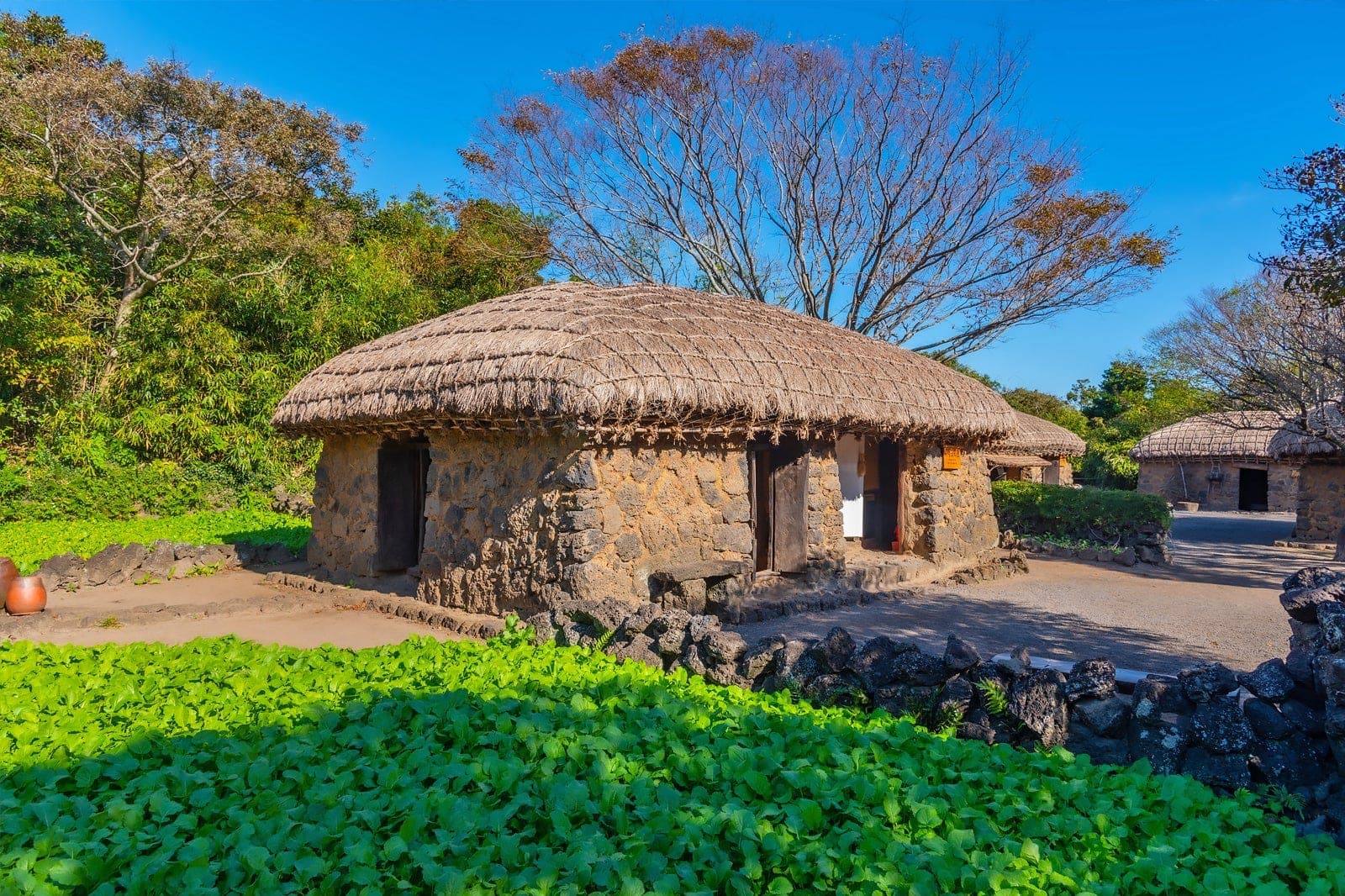
Jeju Folk Village is a 16-hectare open-air museum in Pyoseon, Seogwipo, established in 1987 with 117 thatched-roof buildings — folk houses, schools, and government offices — relocated and reconstructed from across the island. The village preserves Joseon-era domestic life through kitchens, looms, stone walls, and shamanistic shrines, alongside live folk performances, traditional snacks, and an artisan workshop street. Costume rental is available for photos. A culturally rich Jeju Island stop for Muslim travellers wanting to understand pre-modern Korean rural life, paired naturally with a visit to nearby Pyoseon Haevichi Beach and the working Seongeup Folk Village inland.

Jeju Haenyeo Museum
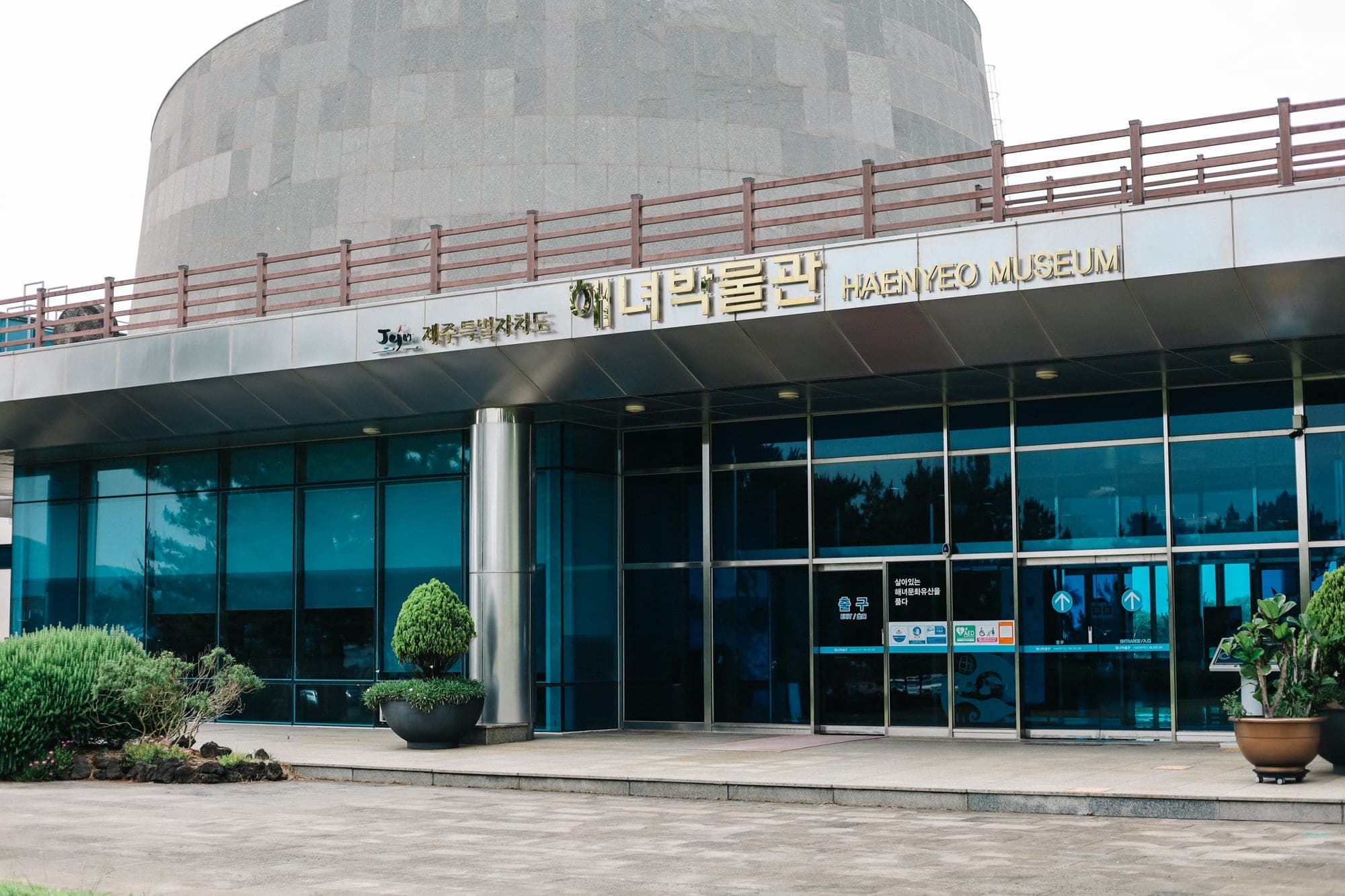
Jeju Haenyeo Museum is a public museum in Hado-ri, north-east Jeju, dedicated to the island's UNESCO-recognised tradition of haenyeo women divers — who free-dive without oxygen tanks to harvest abalone, sea urchin, and conch. Exhibits cover diving suits, traditional gear, songs, and the matriarchal economic structure that haenyeo built across centuries. Live demonstrations sometimes happen at the adjacent fishing village. A culturally important Jeju Island stop for Muslim travellers wanting to understand the island's strongest indigenous heritage, easily combined with Hamdeok and Bijarim. Free or modest entry, closed Mondays.

Jeju Herb Garden
Jeju Herb Garden is a themed botanical garden in Pyoseon, Seogwipo, planted with over 200 herb and aromatic plant species across nine themed sections — Mediterranean, lavender, rose, etc. — and a popular illuminated night-walk trail open after dusk. A small zoo, foot-bath, and herb-cooking class round out the half-day. The garden is one of the most strolling-friendly Jeju Island stops for Muslim travellers and families, suitable for strollers and accessible paths. Pyoseon Haevichi Beach is a short drive away, and Seongeup Folk Village sits inland. Modest entry fee, open year-round.

Jeju National Museum
Jeju National Museum is the island's flagship public museum, located in central Jeju City, with free general admission and rotating special exhibitions covering Jeju's volcanic geology, Tamna Kingdom history, traditional folkways, and modern Korean art. The permanent halls trace 70,000 years of habitation through artefacts, scale models, and immersive video, with multilingual signage including English. A reliable rainy-day Jeju Island stop for Muslim travellers, ten minutes from halal-friendly options in Yeon-dong like Rajmahal Indian Restaurant and walking distance from the city's coastal bus routes. Closed Mondays.

Jeongbang Falls
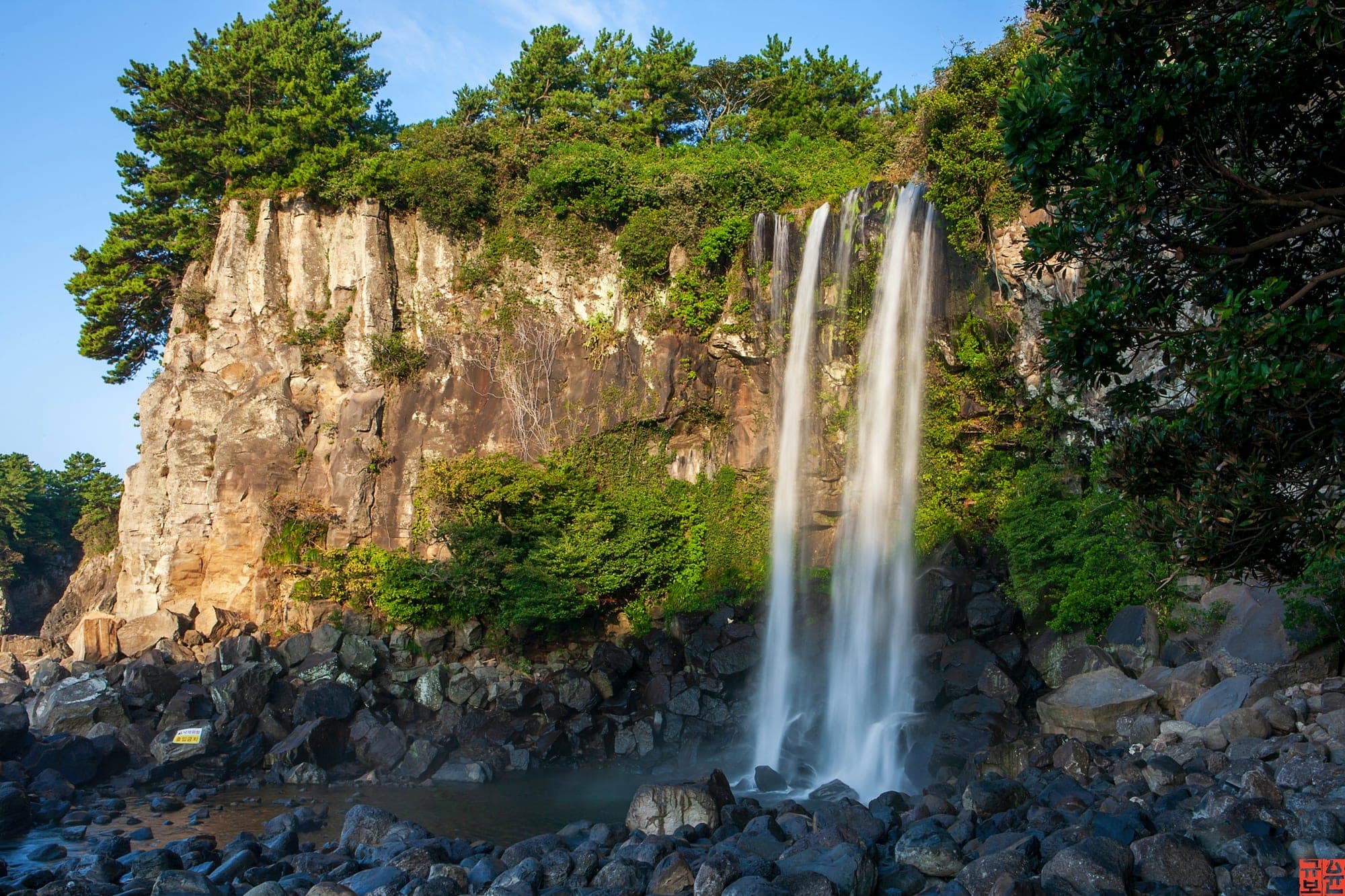
Jeongbang Falls is a 23-metre waterfall on Seogwipo's southern coast — said to be one of the only waterfalls in Asia that drops directly into the open ocean. A short rocky path descends from the parking lot to the basalt beach beneath the falls, where the salt spray of the surf mixes with the freshwater plunge. Best in the late morning when sunlight hits the cascade head-on. A dramatic and brief Jeju Island stop for Muslim travellers, easily combined with Cheonjiyeon Falls and central Seogwipo halal-friendly dining like Loving Hut Jeju a short drive east. Modest entry fee.

Jungmun Saekdal Beach
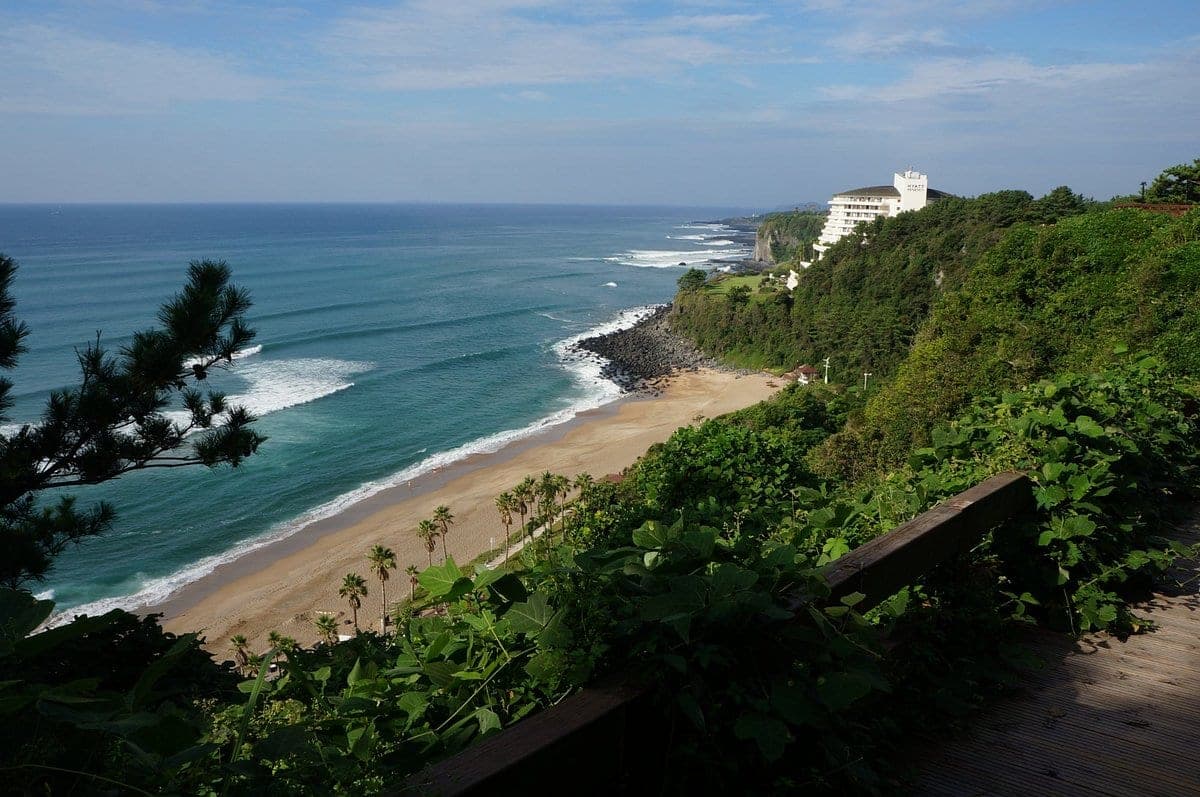
Jungmun Saekdal Beach is a 560-metre crescent of fine multicoloured volcanic sand on Jeju's southern coast, fronted by the Jungmun Resort hotel cluster and known for the strongest surfable waves on the island. Lifeguard service runs in summer; surf schools and bodyboard rentals operate year-round. Tall basalt cliffs and a freshwater stream along the beach mark its volcanic geology. Seogwipo's halal-friendly Jeju options are a 10-minute drive away. Modest beach-entry fee in peak season; locker and shower facilities at the resort cluster make it among the more amenities-rich Jeju Island beaches for Muslim travellers visiting the south.

Jusangjeolli Cliff
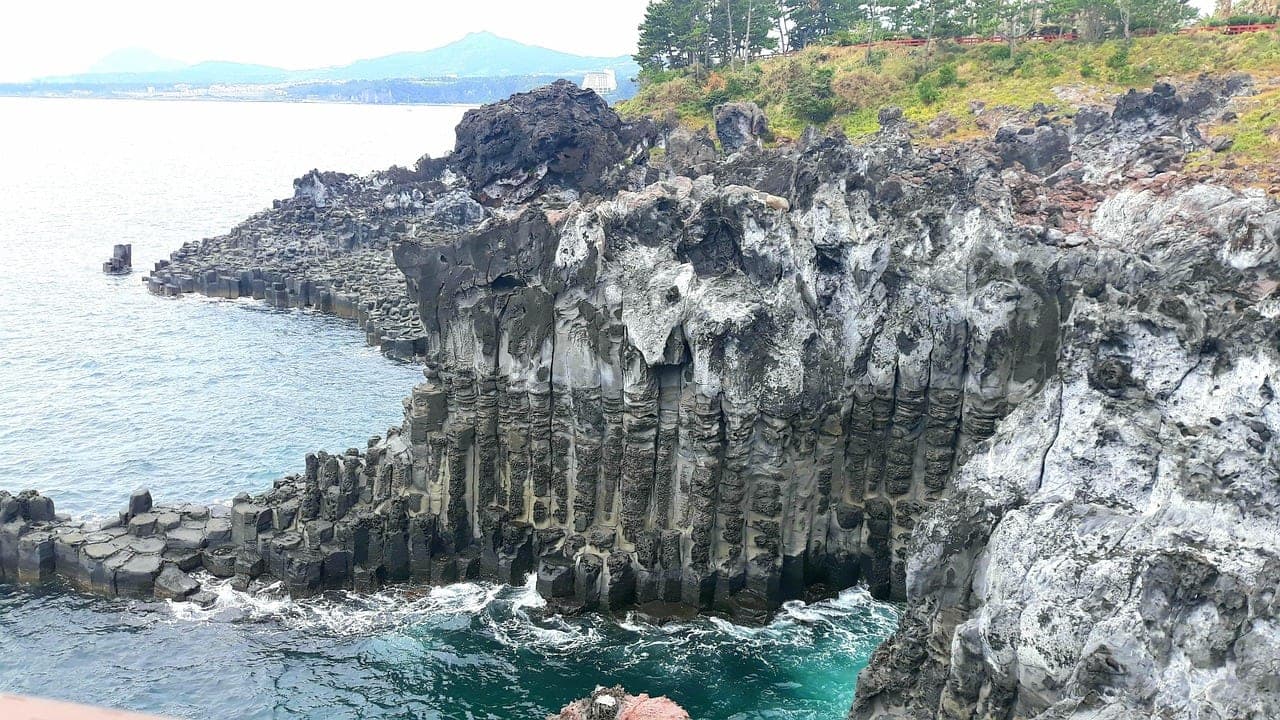
Jusangjeolli Cliff is a roughly 1-kilometre stretch of hexagonal basalt columns on Jeju's south coast in Jungmun — the largest natural columnar joint formation in Korea. The columns rise 30–40 metres above the sea, formed when basalt lava from Hallasan cooled and contracted at the sea's edge approximately 140,000 to 250,000 years ago. A clifftop boardwalk follows the columns past observation decks where surf crashes into the geometric rock face — most dramatic on windy days. A geological Jeju Island highlight for Muslim travellers, easily combined with Cheonjeyeon Falls and Jungmun Saekdal Beach within a five-minute radius. Modest entry fee, accessible boardwalks.

Manjanggul Lava Tube
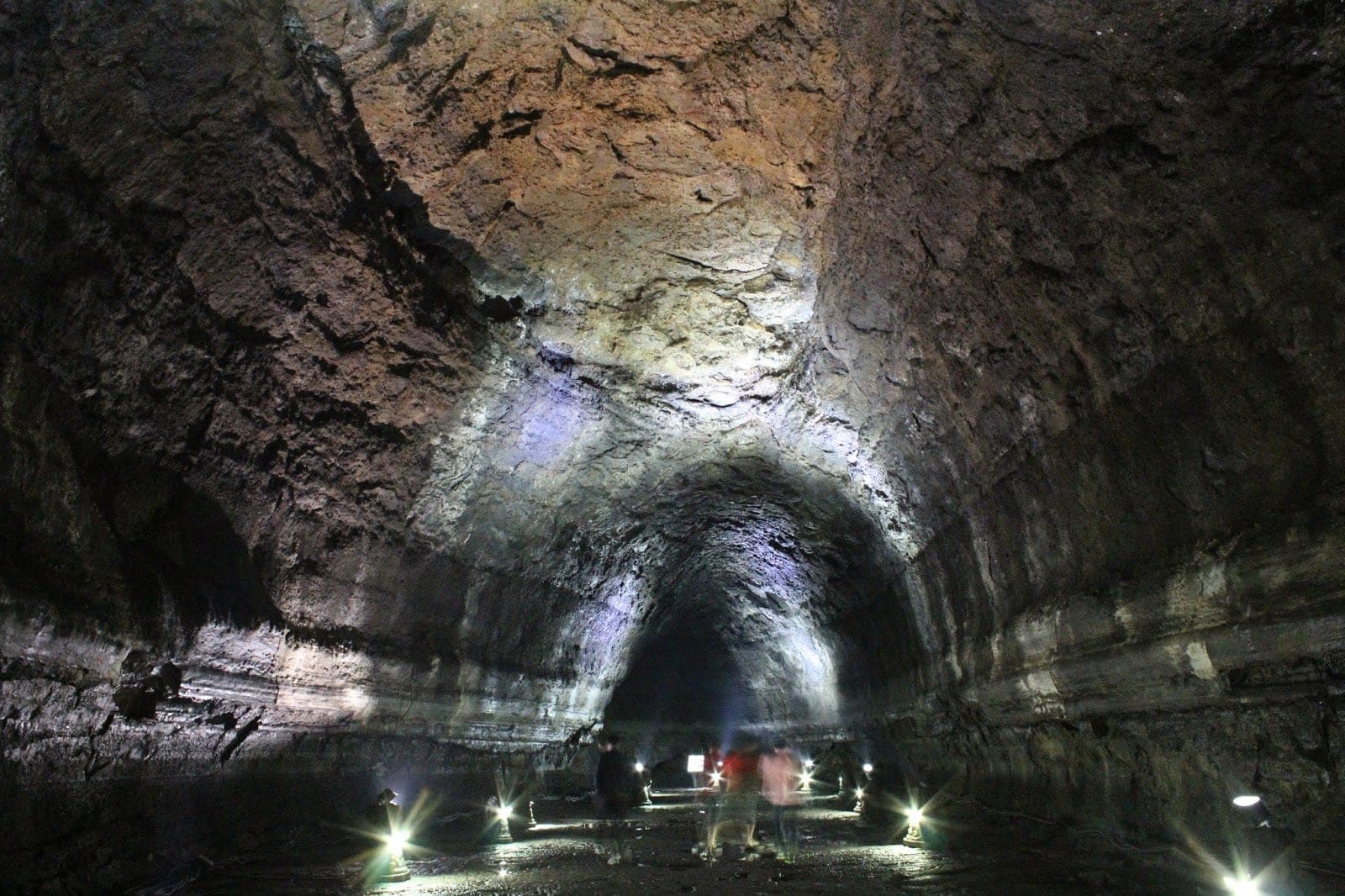
Manjanggul Lava Tube is one of the longest lava tubes in the world (around 7.4 kilometres total), and a UNESCO World Natural Heritage feature in north-east Jeju where about 1 kilometre of the tube is open to visitors. Inside, the cave maintains a steady temperature year-round around 11–18°C, with lava stalagmites, stone bridges, and a 7.6-metre lava column — the world's largest known lava column — at the end of the public path. Bring a light jacket and grippy shoes; the floor is uneven and damp. A geological Jeju Island highlight for Muslim travellers, easily combined with Bijarim Forest and Hamdeok Beach. Modest entry fee, closed first Wednesday of each month.

O'sulloc Tea Museum
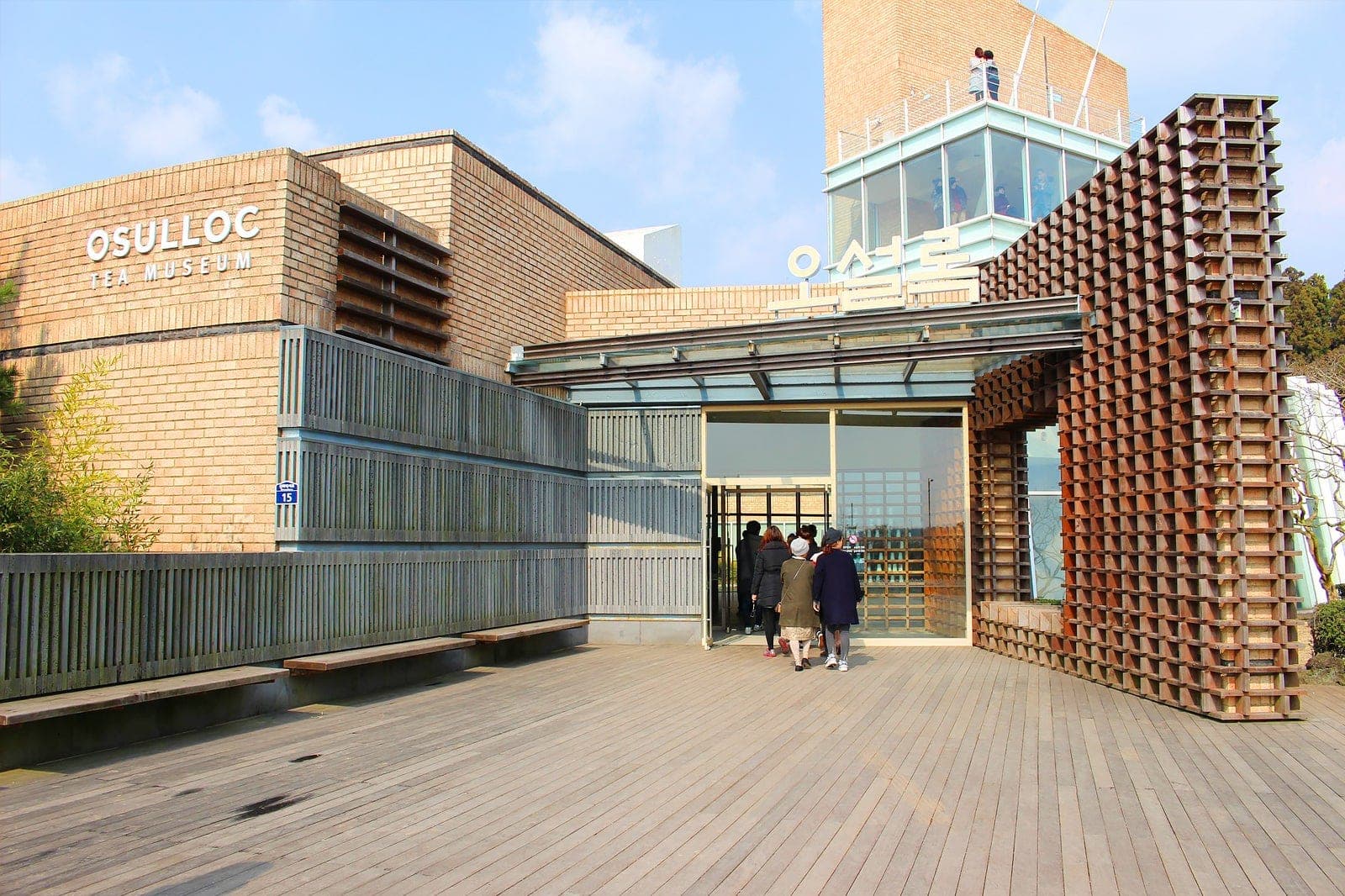
O'sulloc Tea Museum is a free-entry green-tea museum in Andeok, Seogwipo, set among a working tea plantation. The museum traces Korean tea history through interactive exhibits, displays a curated collection of antique tea ware, and offers tea tastings, hand-rolled green-tea making classes (paid), and the popular O'sulloc Cafe with green-tea ice cream, lattes, and roll cakes. The adjacent Innisfree Jeju House is included in most visits. A relaxed and Muslim-friendly Jeju Island stop with no alcohol on premises, paired well with Camellia Hill and Sanbangsan within a 10-minute drive. Free general entry.

Oedolgae Rock
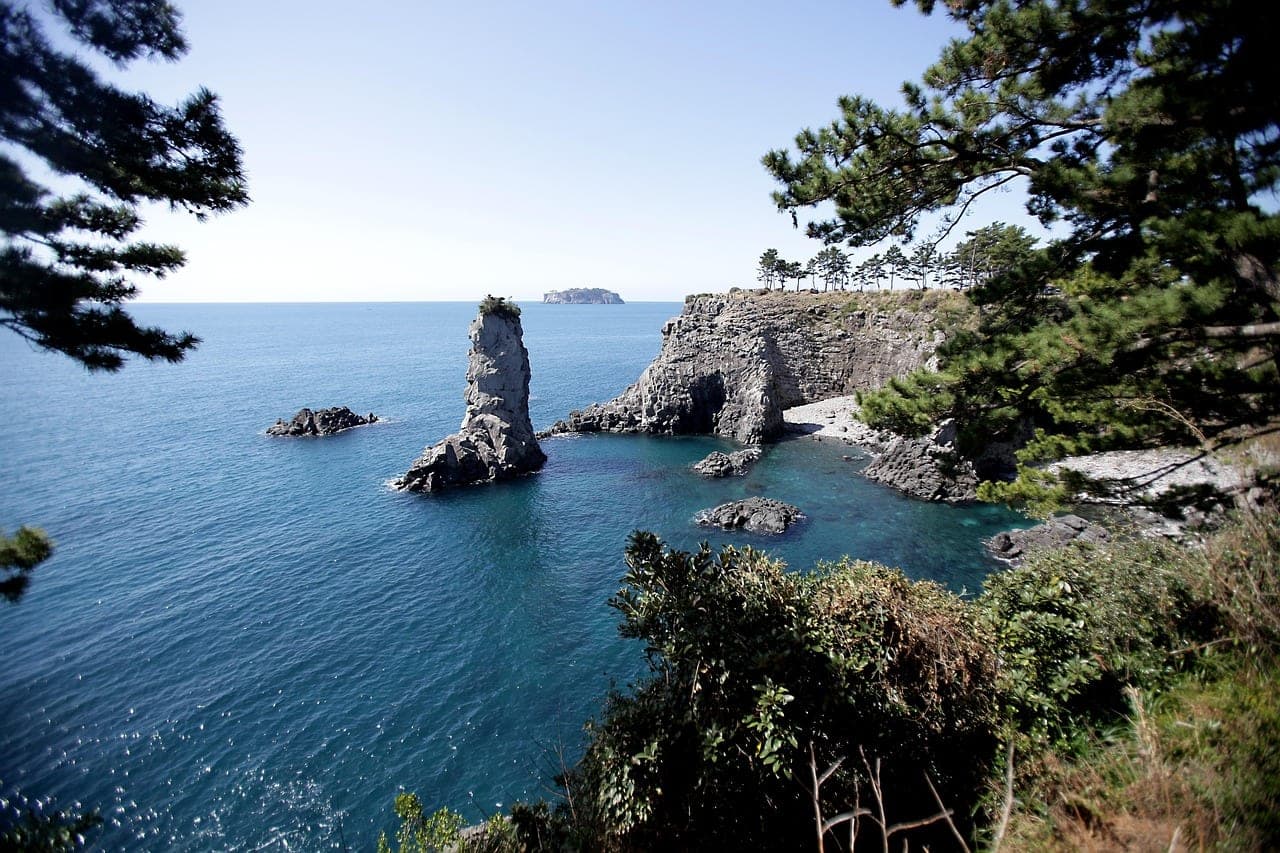
Oedolgae Rock is a 20-metre basalt sea stack rising alone from the surf off Seogwipo's southern coast, with seabirds nesting on its top and Jeju legend casting it as a fisherman's wife turned to stone awaiting his return. A clifftop coastal path connects Oedolgae to Sammaebong Park and the Olle Trail Course 7, with viewing platforms, camellia tunnels, and panoramic Hallasan-and-sea backdrops along the way. A short, scenic Jeju Island stop for Muslim travellers based in Seogwipo, paired naturally with Jeongbang Falls and central Seogwipo's halal-friendly dining options. Free entry, paid parking.

Pyoseon Haevichi Beach
Pyoseon Haevichi Beach is a wide, shallow tidal beach on Jeju's south-eastern coast, where a 500-metre stretch of fine sand opens onto unusually broad sand flats at low tide. At high tide the beach forms a circular shallow lake less than 1 metre deep — knee-deep for most of the day. Calm water and gradual depth make it one of the most family-friendly Jeju beaches for Muslim travellers, especially with young children. A pine grove behind the beach and shaded picnic decks give shelter from the summer sun. Pyoseon Folk Village sits five minutes inland, and Loving Hut Jeju (vegan, halal-safe) is a 25-minute drive west along the south coast. Free entry, paid parking, on-site campground, dressing rooms and showers.

Sanbangsan & Yongmeori Coast
Sanbangsan & Yongmeori Coast is a paired geological site on Jeju's south-western shore, combining a 395-metre lava-dome mountain with a dramatic eroded coastal headland that resembles a dragon's head plunging into the sea. A coastal walkway carved into volcanic rock loops along Yongmeori with crashing surf below; Sanbangsan itself houses Sanbangsa Temple and a panoramic mid-mountain viewpoint reached by a steep stair climb. Modest dress is appropriate at the temple. A geologically striking Jeju Island stop for Muslim travellers, easily combined with O'sulloc, Camellia Hill, and Jusangjeolli within a 15-minute radius. Modest combined entry fee.

Sangumburi Crater
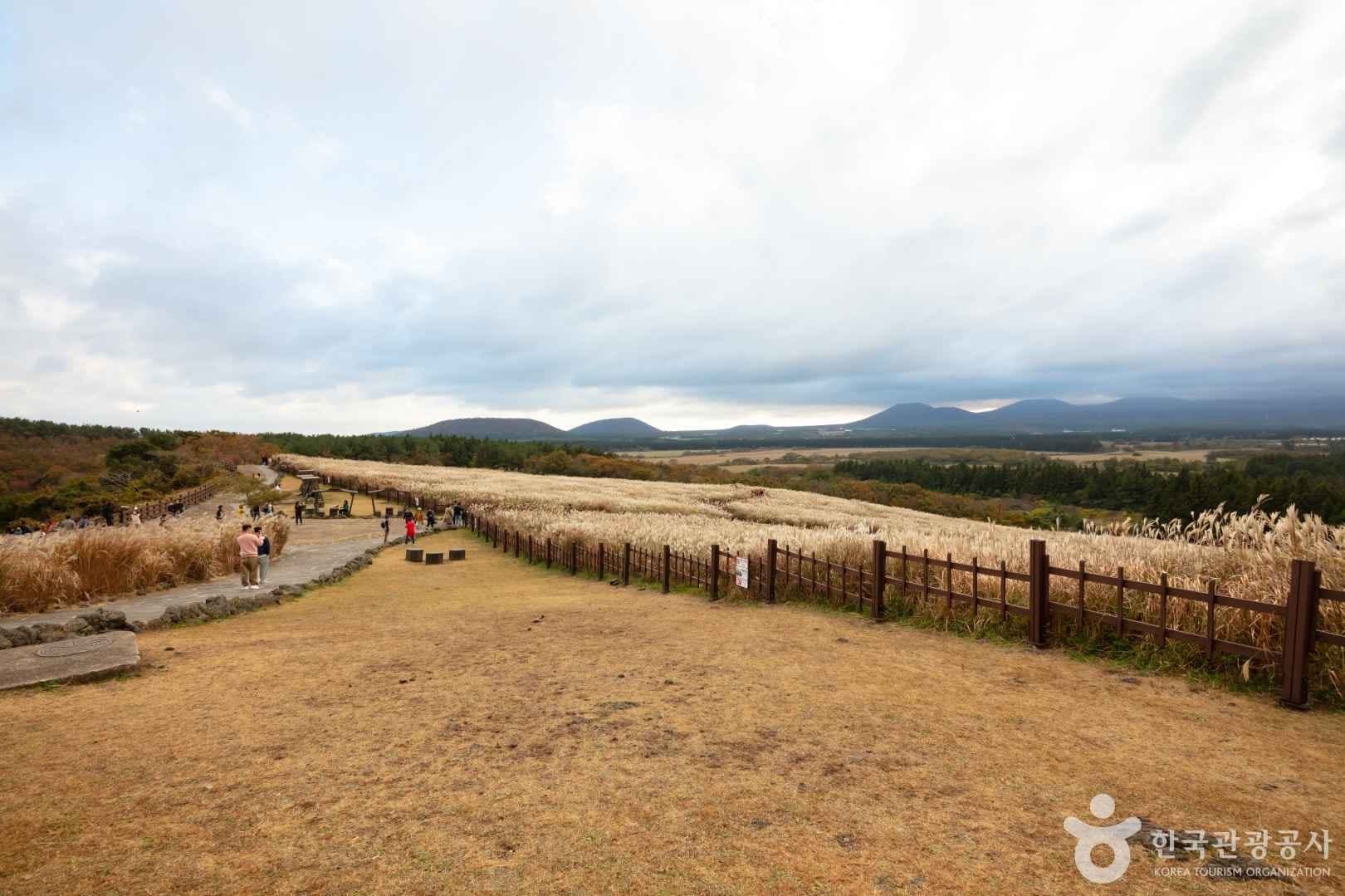
Sangumburi Crater is a 100-metre-deep volcanic crater in central Jeju, designated Natural Monument #263 and notable as a flat-bottomed maar crater unique in Korea. A 600-metre boardwalk loop circles the rim, with views down into a self-contained ecosystem holding over 400 species of plants and animals and a microclimate that supports both temperate and subtropical vegetation. The surrounding plateau bursts with silver-grass plumes in autumn — among the most photographed Jeju Island scenes. A short, accessible Jeju stop for Muslim travellers, easy to pair with Bijarim and Manjanggul. Modest entry fee.

Saryeoni Forest Trail
Saryeoni Forest Trail is a 15-kilometre forest path winding through dense cedar, cypress, and oak between Gyorae-ri (Jocheon-eup) and Hannam-ri (Namwon-eup), ranked among Korea's most beautiful walking routes. The flat, well-marked trail covers easy 2-, 4-, or 10-kilometre loops on soft volcanic soil, with cool air and dappled light even in midsummer. Listen for woodpeckers, deer, and the rare Jeju cuckoo. A peaceful, contemplative Jeju Island stop for Muslim travellers wanting forest bathing without the crowds of busier sites — best paired with a halal-friendly lunch in Jeju City or a quiet vegan dinner at Jageun Bueok in nearby Jocheon. Free entry.

Seongeup Folk Village
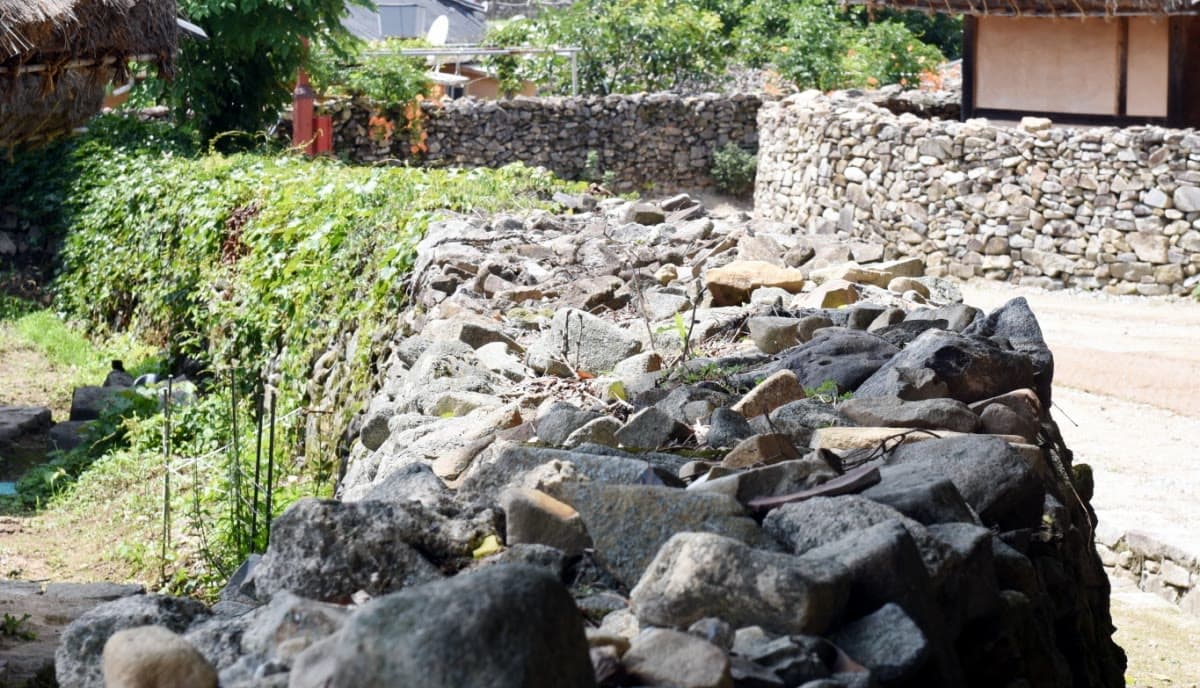
Seongeup Folk Village is a still-inhabited traditional village in central Jeju, designated a Folklore Cultural Heritage and home to over 200 working thatched-roof houses where families have lived continuously for centuries. Unlike open-air museums, Seongeup remains a living community — guides from village families lead tours through stone walls, traditional hearths, and ancestral shrines, with optional tastings of homemade omegisul rice liquor and Jeju black-pork dishes (note: not halal). A culturally rich Jeju Island stop for Muslim travellers wanting authentic rural Jeju, paired with the open-air Pyoseon Folk Village and Pyoseon Haevichi Beach. Free entry, optional paid tours.

Seongsan Ilchulbong
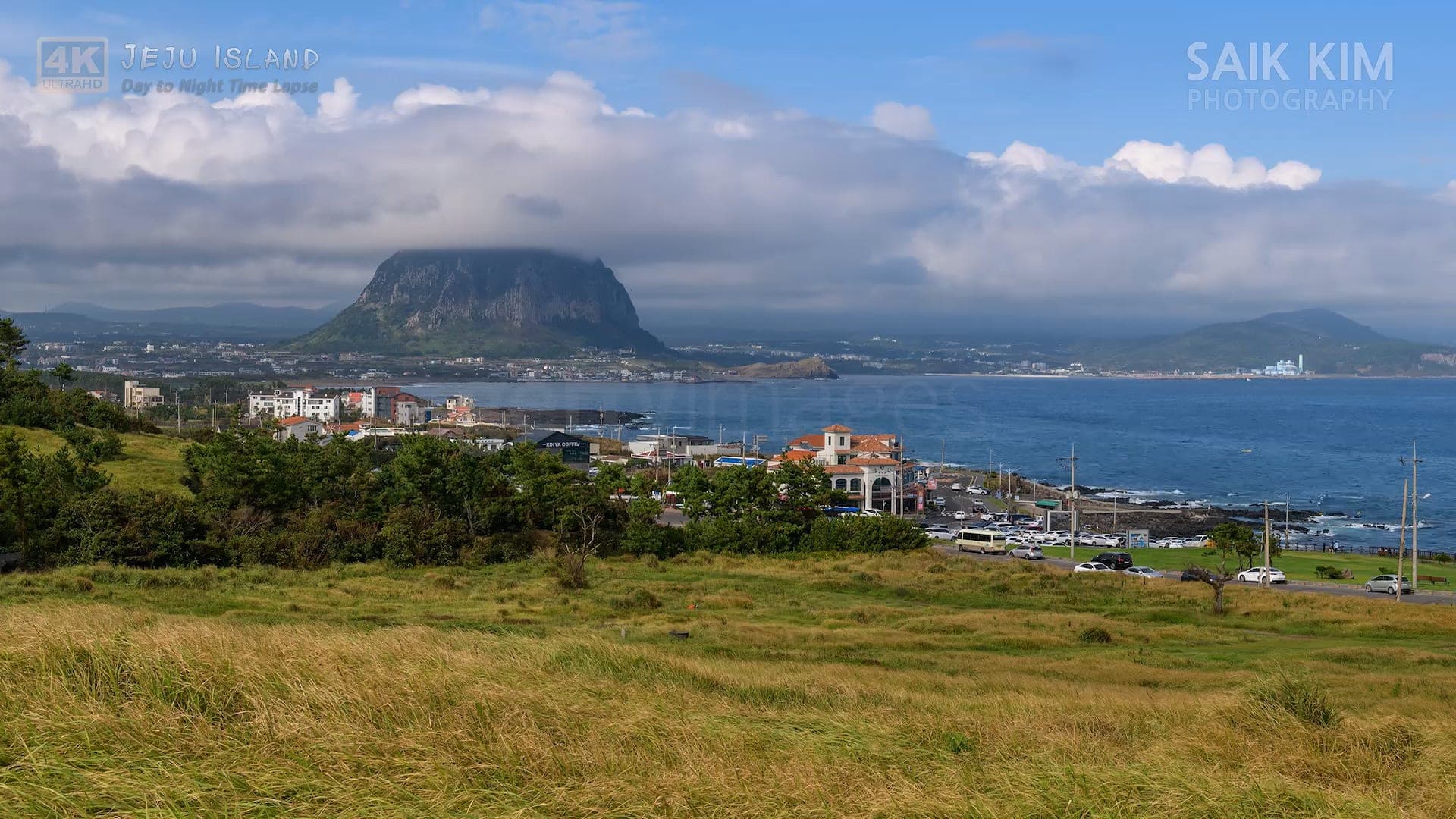
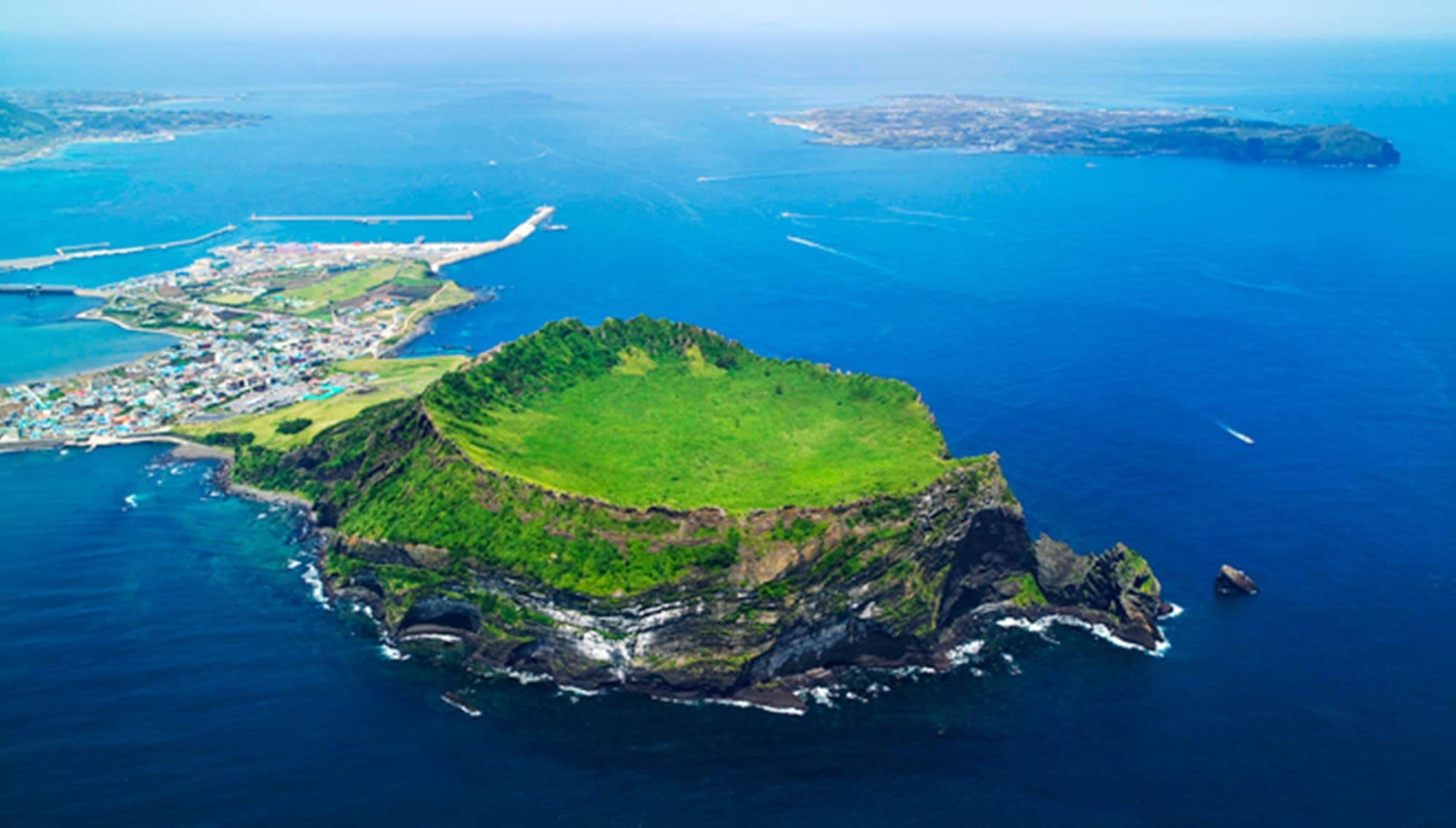
Seongsan Ilchulbong (Sunrise Peak) is a 182-metre tuff cone rising from Jeju's eastern coast, formed thousands of years ago by Surtseyan-type hydromagmatic activity in shallow seas, and inscribed in 2007 as a UNESCO World Natural Heritage Site. A 30-minute stair climb leads to the rim of the bowl-shaped crater, with panoramic ocean views from the top — best at sunrise, hence the name. Haenyeo women divers perform on the beach below. A signature Jeju Island stop for Muslim travellers, with halal-friendly options accessible from Seongsan harbour and Udo Island ferries departing from the foot of the peak. Modest entry fee.

Seopjikoji
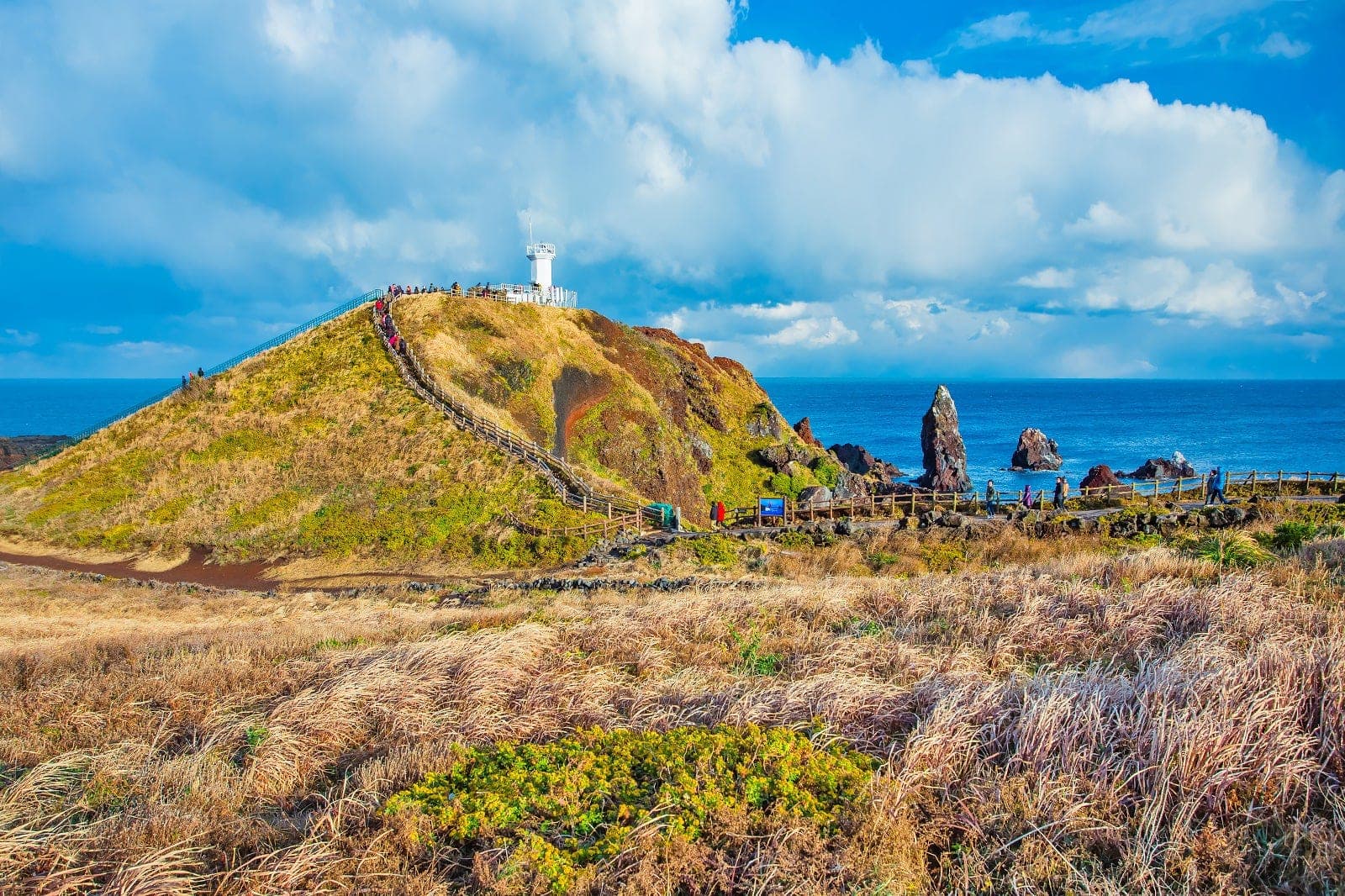
Seopjikoji is a low coastal cape extending into the East China Sea on Jeju's south-eastern tip, famous for a yellow canola-flower carpet in spring, basalt cliffs above turquoise water, and a Jusang Jeolli-style basalt formation called Seondol. A 2-kilometre coastal path follows the cape past the Glasshouse cafe-museum (designed by Tadao Ando), a working lighthouse, and pasture grazed by Jeju ponies. Seongsan Ilchulbong rises directly to the north for the postcard view. A scenic, breezy Jeju Island stop for Muslim travellers, paired naturally with Seongsan and east-coast halal-friendly dining. Free entry.

Udo Island
Udo Island is a small volcanic island fifteen minutes by ferry from Seongsan port on Jeju's east coast, famous for black-sand and coral-sand beaches, sea-view bicycle paths, and a working haenyeo (woman-diver) community. Most visitors rent an electric scooter or bicycle and complete the coastal loop in a half-day, stopping at Geommeolle Black Sand Beach, Seobinbaeksa coral beach, and the Udo Lighthouse hill for ocean views. Bring modest layered clothing for wind off the strait. Halal-friendly Jeju travellers should pack snacks — most island restaurants are not halal-certified, but vegan and seafood-only stops exist.

Yongduam Rock
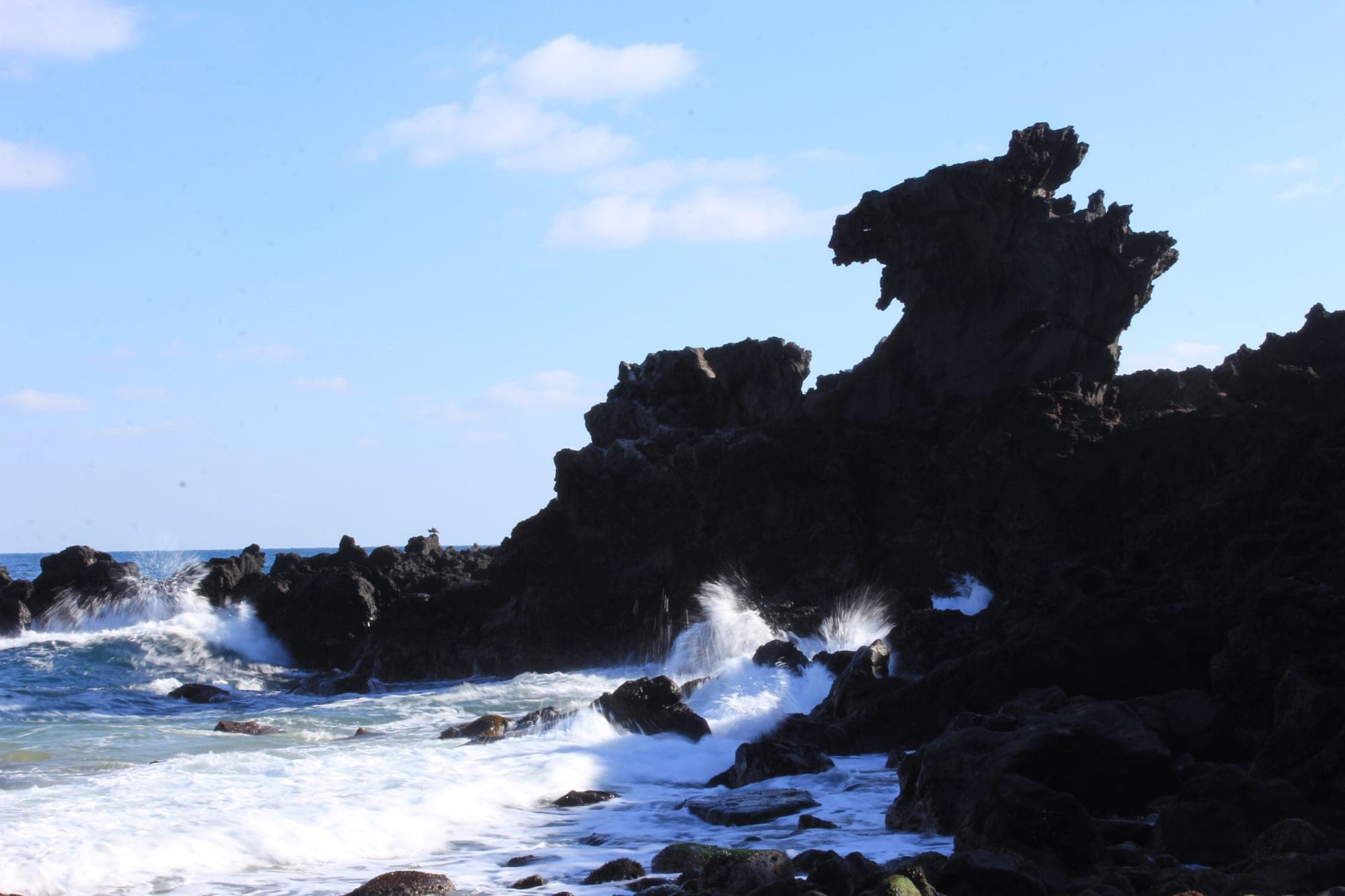
Yongduam (Dragon-Head Rock) is a 10-metre basalt formation on Jeju City's north coast, eroded by surf into the shape of a dragon's head emerging from the sea. A short paved path from the parking lot reaches the viewing platform, with the Yongyeon Pond pedestrian bridge a five-minute walk inland. Best at sunrise or sunset when the basalt darkens against the sky. A short Jeju Island photo stop for Muslim travellers staying near Jeju International Airport — Crab Story (halal-certified) and Jeju Central Masjid both sit within a 15-minute drive of the rock. Free entry, paid parking.
Muslim-Friendly Stays
Coming soon — we're verifying accommodations now.
Resources & Guides
Deeper dives for specific topics.
Self-guided vs joining the retreat
If planning everything yourself feels heavy, our 5-day, 10-guest retreat handles transport, halal meals, and prayer logistics end-to-end.
Frequently asked questions
Travel & Entry
3Food & Halal
3Prayer & Faith
3Culture & Etiquette
3Know a spot we missed?
Help fellow Muslim travelers — share your find.
Plan your trip
Ready to go deeper in Jeju?
Join the Retreat
5 days, 10 travelers, Muslim-friendly — the full Jeju experience curated for you.
Custom Trips
Solo, couple, small group or large — we tailor halal-friendly Jeju itineraries to your pace.
Scan Any Product
Photograph the ingredient label — HallaScan tells you if it's halal. Food, cosmetics, meds. 9 languages.
Halal Essentials, Delivered
Halal BBQ sets, imported pantry staples from Muslim-majority countries, and KMF-certified Korean products — all delivered across Jeju.